Death Cab For Cutie’s ‘The Photo Album’ Captures A Pivotal Snapshot In Time
Looking back on 20 years of an overlooked classic in essential emo listening.
by George Wallace
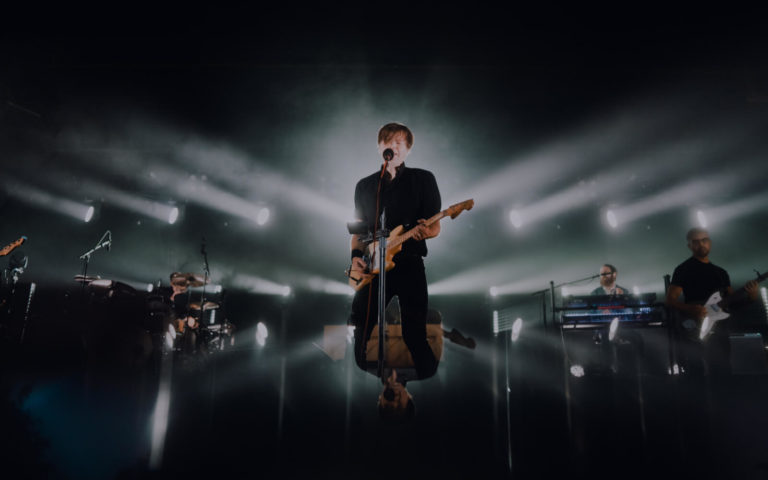
Photo by Lindsey Blane
Published on
The stripped back lyrical talent of Death Cab For Cutie’s Ben Gibbard stood out in the musical landscape of the late 90s against the backdrop of thrashing post-hardcore punk and caterwauling emo bands. What began as a solo bedroom indie-pop project was expanded into a full band when Gibbard was unexpectedly awarded a record contract after the release of 1997’s You Can Play These Songs With Chords. This first Death Cab album was written and recorded primarily by Gibbard alone with a little help from future member and producer Chris Walla.
In 2001 Death Cab For Cutie — then composed of members Gibbard, Walla, guitarist Nick Harmer and drummer Michael Schorr — were at a crucial juncture in their musical careers. Confronted with choosing between calling it quits and going back to their day jobs or fully investing in the band, they chose to commit and push against the confines of their sound. The result was the often overlooked classic, The Photo Album, which to this day features some of the group’s strongest musical offerings.
Emo to its core, The Photo Album is celebrating its 20th anniversary year with a deluxe 35-track retrospective reissue. This new version is bursting with extras and bonus content, including previously unreleased material, live and acoustic versions, plus full band demo takes. Also included are the three bonus tracks that originally appeared on some versions of the album and were previously available as The Stability EP, including a stunning cover of Bjork’s classic track “All Is Full of Love.”
Infectious songs like “We Laugh Indoors” and “I Was a Kaleidoscope” hover in the mind long after listening with heartfelt and poetic lyrical revelations floating over sharp and punchy guitars. Gibbard was always a master of stating things plainly to pull at the heart strings but he made a serious effort to strip down his lyrical style to the simple nuts and bolts on this album. “In the past, I’ve always tried to cloak stuff and dance around the meanings in the lyrics,” Gibbard told Under the Radar in 2002. “I’m starting to come around to more straightforward lyric writing; I’ve been trying to do more of a Raymond Chandler thing, just keep it really simple.”
The album contains a collection of vignettes lovingly crafted by a group of would-be indie-pop superstars fully committed to finding their niche. While it may not have been the breakthrough hit they aimed to create, the album that would follow it – Transatlanticism – finally saw Death Cab For Cutie rightfully earning widespread success and acclaim.
Just a few months after the release of The Photo Album Gibbard would begin working with electronic artist Dntel on a long distance musical project, sending audio files back and forth to each other through the mail. At the time the thought of working with someone over such a long distance without meeting in person was a novel and fascinating new concept, a sign of the new digital age. The record that resulted from their long distance collaboration was the unmissable and hugely influential album, Give Up, by The Postal Service.
Wedged between their earliest work and the widespread success of Give Up & Transatlanticism, The Photo Album has existed as a kind of rest stop on the road towards mainstream success. Even if the finished product was a little uneven, it’s impossible not to appreciate the upward trajectory in the evolution of Death Cab For Cutie. Each album along the way has marked a noticeable development in their ability to craft tight, infectious, and emotionally charged pop music. The Photo Album’s expansive bonus content provides a fuzzy snapshot of a group of emo indie rockers on the precipice of evolving into global superstars.
The Photo Album 20th anniversary reissue is available now on all platforms via Barsuk Records with a clear 180-gram double LP pressing limited to 5000 copies to follow this spring.