
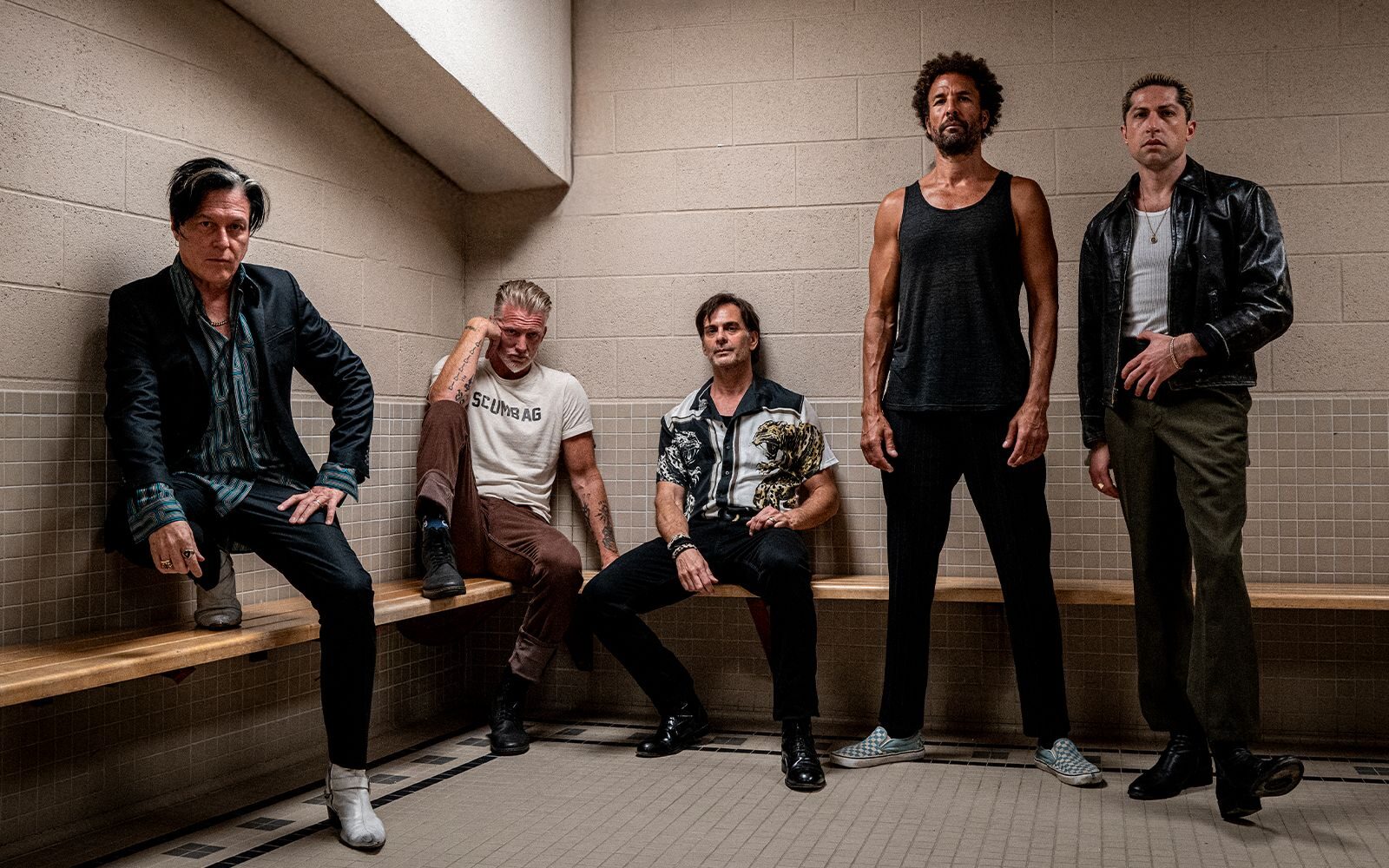
It started two years ago, when Josh Homme nearly died in the Catacombs of Paris. The band was in the process of making their Alive in the Catacombs concert film, playing deep underground, surrounded by the bones of six million people from across the centuries, while Homme was suffering a health crisis and playing through intense pain.
After the performance, he underwent emergency surgery and spent the next seven months bedridden. The band has never spoken publicly about what exactly happened, except to say that he almost checked out for good.
“It was dark as fuck,” says bassist Michael Shuman. “We didn’t know if one dude was going to be dying that day. So it was extremely emotionally charged. We still laughed our way through it, but I mean, also cried our way through that show.”
Shuman is seated next to the band’s drummer, Jon Theodore, on a love seat in an otherwise empty meeting room at the Rosewood Hotel Georgia in Vancouver. The band is on the tail end of their 12-date Take Cover North American tour opening for Foo Fighters, which Theodore calls a “no-stress environment” to get back in “fighting mode” as they rev up for their own headlining tour that begins in Tokyo later this year.
In seven hours’ time, they’ll absolutely obliterate BC Place with a ferocious 45-minute set consisting of their most reliable face-melters and crowd-pleasers. Homme has always had swagger, but his performance in Vancouver that night seemed defiant, open-hearted and vulnerable. Defiant to what, exactly? Maybe failure, or heartbreak, or death itself. Who knows? But he carried himself on that stage like a man who’s seen the light, not of God, but of the Other Side, and is no longer afraid. He seems rejuvenated.
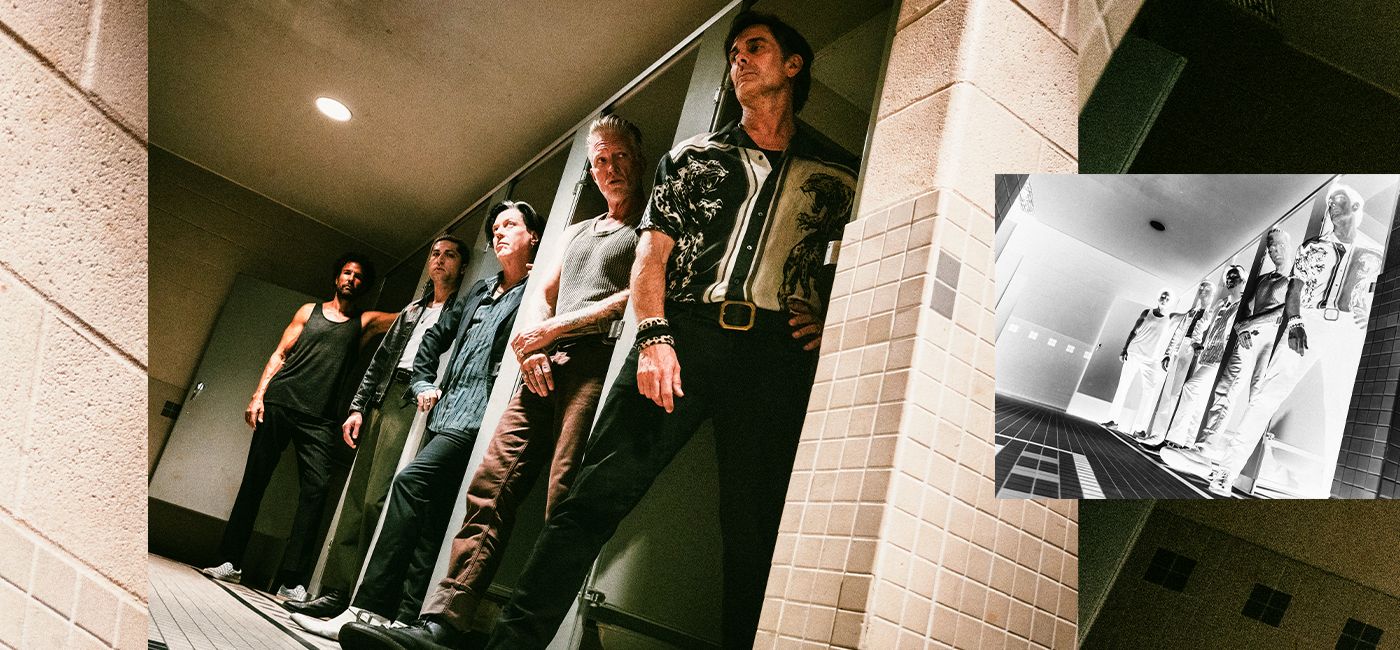
So based on this performance alone — yeah, the band is better than ever.
This is owed in part to the Catacombs experience, as well as the resulting Catacombs Tour, which started last fall and featured radically deconstructed versions of songs from the Queens back catalogue. It felt to them, and sounded to the rest of us, like a rebirth.
“We’re seeing a new chapter, and a different trajectory,” Theodore says.
That trajectory has culminated in the band’s ninth album, Perfecth, due Oct. 30 via Matador Records — more subdued and introspective, while losing none of the confidence or brooding, vampiric mystique that characterizes much of the band’s music.
A Homme health scare almost feels like a given for the band at this point. 2013’s …Like Clockwork was written in the aftermath of a near-fatal MRSA infection and cardiac arrest following knee surgery. A decade later, while making 2023’s In Times New Roman…, he was dealing with a cancer diagnosis alongside a messy public-facing divorce and custody battle with ex-wife Brody Dalle.
Those two albums formed the bookends of an unofficial trilogy that also includes 2017’s Villains. But there’s an even clearer link between In Times New Roman… and Perfecth. The former chronicled the emotional aftermath of extreme trauma. On In Times New Roman… album closer “Straight Jacket Fitting,” Homme bellows a blunt demand: bring on the healing!
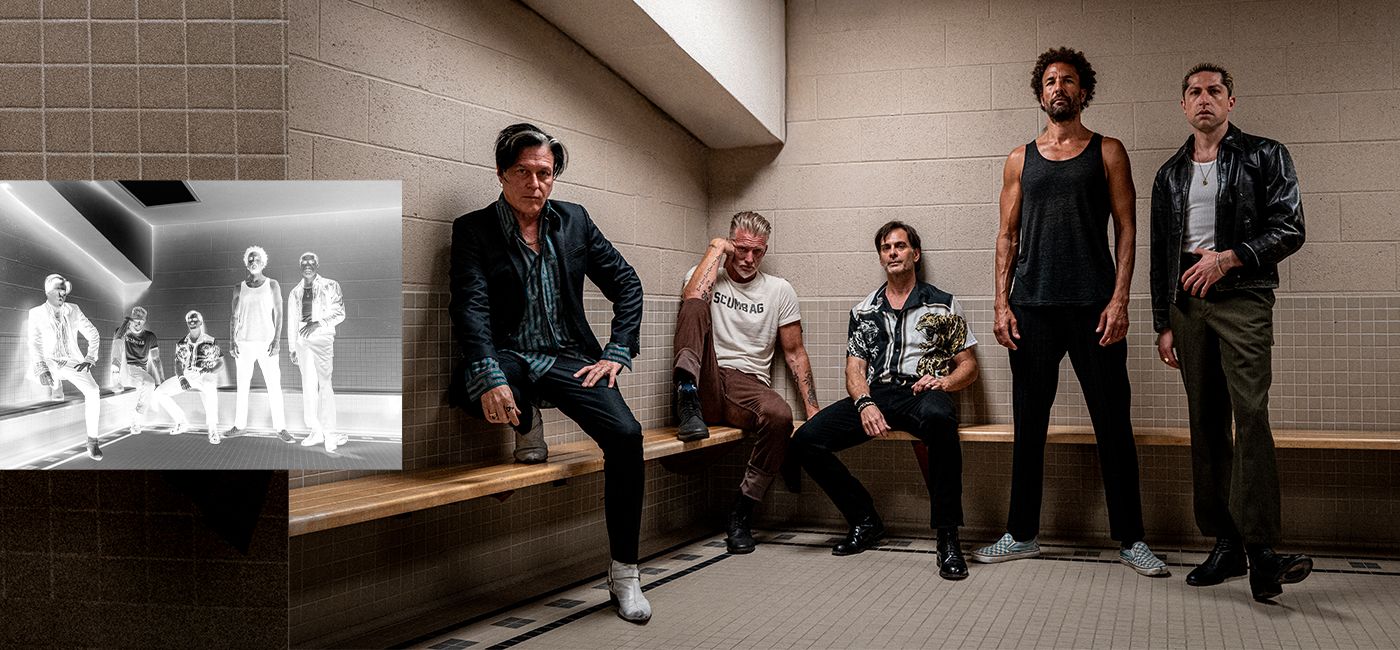
Perfecth is the sound of that healing, exploring themes of loss, forgiveness and acceptance. “Letting go is beautiful,” Homme croons in second single “Insignificant Other.”
That track, incidentally, was developed during a late-night jam session on the final day of tracking for In Times New Roman…, which Theodore says serves as a direct link between the band’s past and where it’s headed.
“Within a few hours we put this arrangement together, did two takes, and that second take is the one you hear on the record,” Shuman says. “We even thought about re-recording it, but there was something about us being in the room together — you could hear us listening to each other and filling the gaps. There’s something magical about that.”
The album has more than a few connections to the band’s past. Album closer “Run Away From the Mob” is a …Like Clockwork leftover and features Dave Grohl on drums from the original sessions. “Sunday” is a nearly identical Iggy Pop cover from 2016’s Homme-produced Post Pop Depression. The song was basically a Queens song already, co-written and performed by Homme and Queens keyboardist Dean Fertita alongside Iggy.
“[The album] allowed us to revisit and finish ideas that previously hadn’t found homes,” Theodore says.
Shuman, who produced the album alongside Homme, says Perfecth was “the easiest” and “most fun” they’ve had making an album in years, which he attributes to the band surviving such an intensely dark time when Homme’s life was on the line. Shuman says that, at the time, there was a very real possibility the Catacombs performance would be the last time they ever played together.
“I think when you go through difficult periods that we have gone through and you make it out alive, you have a new appreciation for what you have,” he says. “I think we’re all really grateful to be where we are and to be able to continue to do this on our terms, with people that we love. It’s rare this far in your career to be able to do what we do and continue to grow.”
Perfecth represents a significant departure, trading much of the band’s hallmark robotic stoner riffage for acoustic guitars and orchestral flourishes. But they’re evolving in ways that feel honest and organic. There are echoes of older tunes throughout — “Where the Goth Girls At?” isn’t too far removed from “Misfit Love,” for instance — but there’s a tenderness here that is rarely seen or heard. It’s as if they made an entire album out of Songs for the Deaf’s “Mosquito Song” — an outlier in their catalogue until now.
“[With Perfecth], we were able to drop a lot of, you know, conditional things, like is this loud enough or is this fast enough, and just sit in, like, the things that make the songs beautiful and pursue that,” Theodore says.
“Our music is always a function of our lives. We’re in a particular place now. We came through a mountain of chaos and turmoil and came out the other side, so the place we started from was sort of reverent joy — a kind of peace and acceptance. It doesn’t feel angry. It feels very poetic. I think it’s significant.”
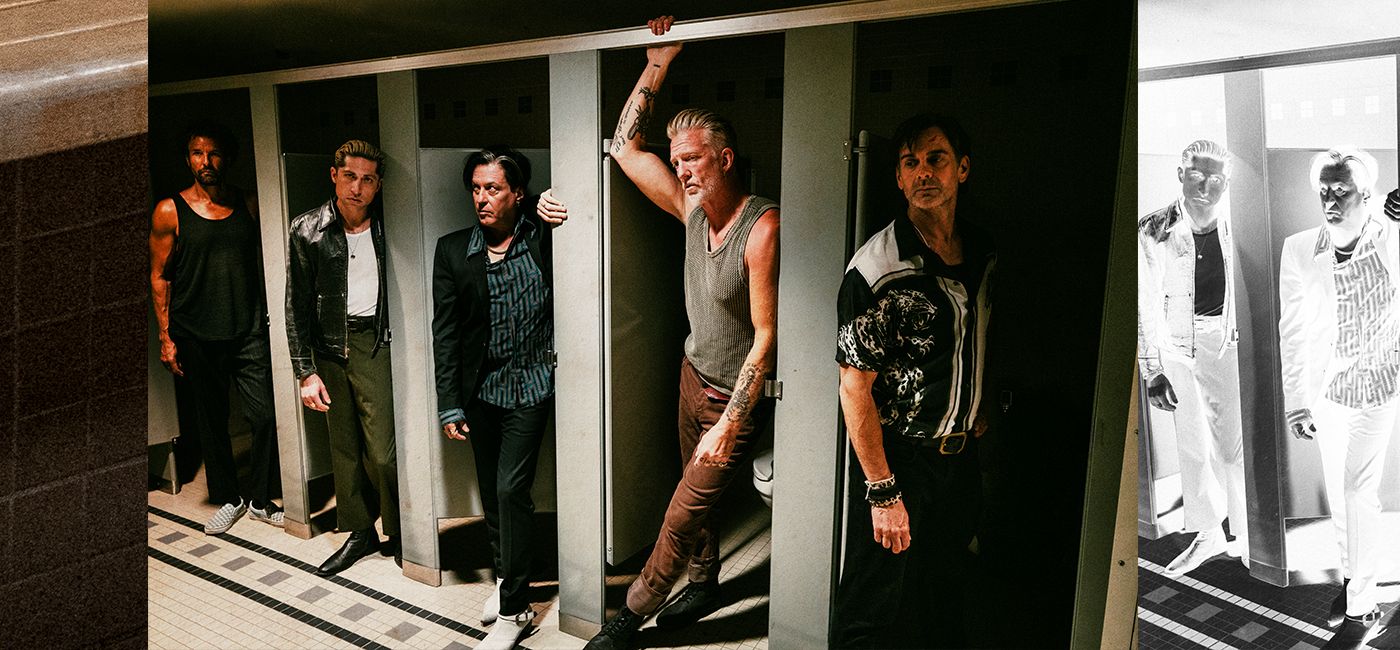
That’s not to say Queens has gone soft. Even the ballads have some weirdness or darkness lurking underneath — a minor key here, a wiggling electronic flourish there. They’re not settling into comfort the way so many bands of their stature do.
“We didn’t think we would make this kind of record going in. I think we even thought we’d make a totally different kind of record, but it was like, this is the correct — this is the only record we could have made at that moment,” Shuman says.
“We have to evolve,” he adds. “If we’re not challenging ourselves, we wouldn’t do it. We have no interest in that.”
As for what that evolution looks like after this — they genuinely have no idea. Theodore says they function in the moment, with little thought of what the future may look like. Shit, they’ve learned by now that there may not even be a future. So they make the most of the moment.
And wherever they end up next?
“All bets are off,” Shuman says.