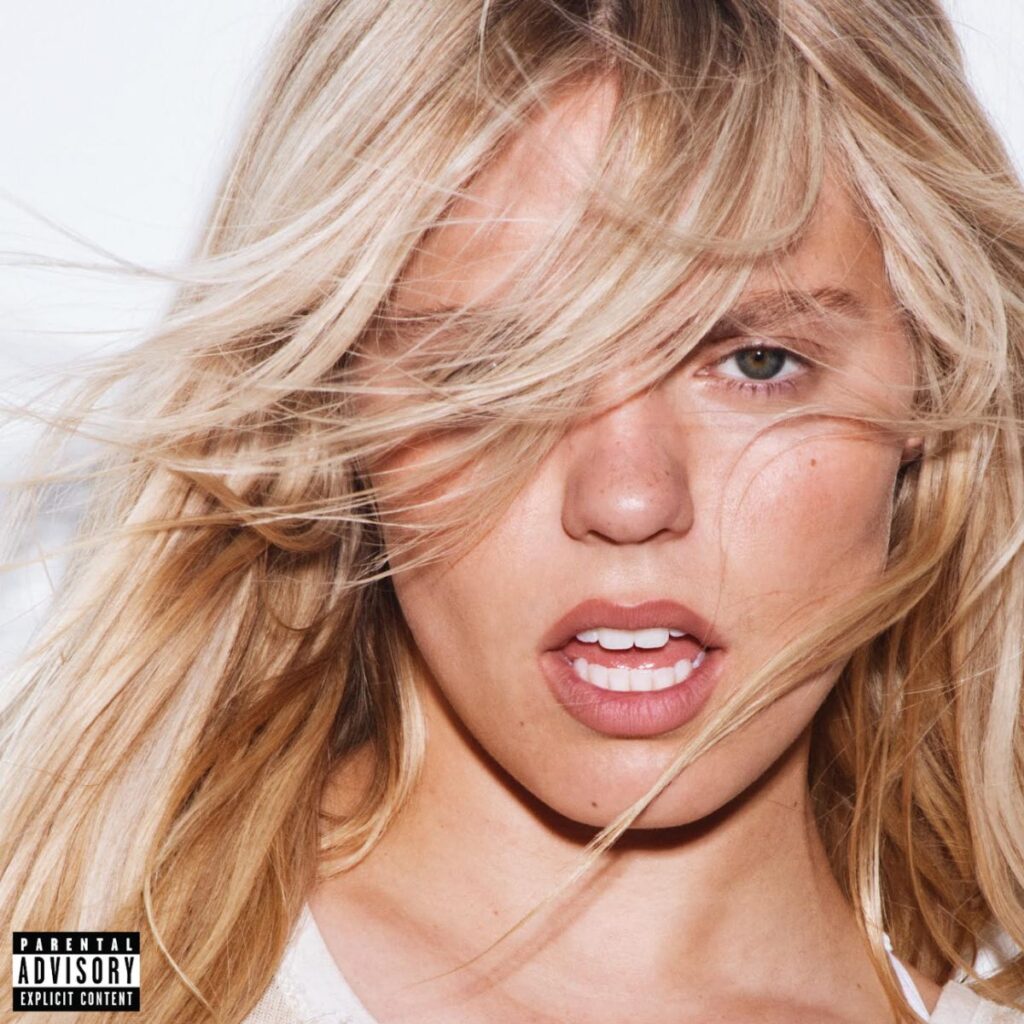
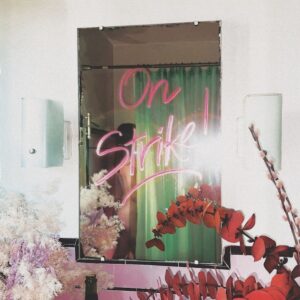
Reneé Rapp’s approach to promoting BITE ME has veered between iconic and eyebrow-raising—with oddly effective results. During her Vanity Fair lie detector test, Rapp not only confessed to verbally fighting with a seven-year-old outside a Lakers game, but also revealed that she’s terrified of her own fanbase: “Have you ever seen a rabid bunch of white 16-year-old bisexuals unhappy?” No, Reneé, I haven’t. No, Reneé, I don’t want to.
Why would fans of someone as endearing as Rapp be unhappy? Simple—they want the music, and honestly, fair enough. But in true messy-pop-star fashion, she revealed that every time she felt pressured to drop something new, she pushed the release back another six months out of spite. That long-brewing anticipation finally snapped with “Leave Me Alone,” the lead single from BITE ME—a pop-rock punch packed with sharp humour and witty one-liners. “My manager called me, said, ‘Where’s the single?’ / ‘Oh, you’re breaking up, babe, I don’t got no signal,’” she coos, layering it between the repetitive title-track refrain: “Leave me alone, bitch, I wanna have fun.”
If that lyric promises anything, BITE ME certainly lives up to it: the album is undoubtedly fun. From the late-summer chant-ability of “Kiss It Kiss It” to the four-on-the-floor stomp of “At Least I’m Hot,” BITE ME feels like an intoxicating sprint through adolescent moods, tinged with a hint of gleeful self-sabotage. With a voice that commands, Rapp effortlessly delivers both sleek pop bangers and bluesy, R&B-flecked slow jams. A prime example of the latter being the record’s third single, “Why Is She Still Here?,” a simmering soul cut where Rapp’s voice carries a poignant mix of heartbreak and bravado.
Beneath the cheek and turbulence, BITE ME ultimately cements Rapp’s undeniable gift: a voice that’s as versatile as it is irresistible, capable of flipping from acid-tongued wit to exposed vulnerability with ease. Not only is it wildly enjoyable, it’s also richly layered. The press tour coyly foreshadowed key lyrics and motifs, scattered thoughtfully throughout her interviews. By end of the flippant “You’d Like That Wouldn’t You,” the record’s tongue-in-cheek finale, you realize—if a mob of irate bisexuals is what gets Rapp going, maybe they’re not so terrifying after all.