
Camp used to mean something—something whispered and worn at a tilt. It was queerness in quotation marks, glamour as subversion. It’s Doja Cat in prosthetics, meowing on the red carpet. It’s the Cats movie but also Showgirls. It’s sincerity in drag. It’s drag without sincerity. It’s dead serious and simultaneously unserious to death.
Enter Eli: a glitter-slicked, fedora-tipping pop prophetess who not only wears camp—but embodies the concept to her very core. Not the kind of camp that announces itself, but the kind that slips through twinkling Logic samples on tracks like “God Bless the BFA,” which culminates in a 30-second smoke break that’s equal parts biting LA satire and nepo-baby exposé.
If you’re the type to keep a Notes app list of best pop lyrics of the year, go ahead and add this one: “It’s not a rich perspective that you got a lot of money, it’s not a bit impressive to Dua Lipa out in Bali.” It lands with perfect scansion—funny, cutting, and off-kilter—amplifying her rare ability to craft a fully formed, emotionally resonant pop persona that’s still steeped in the language of stan Twitter and digital detritus. It’s refreshingly unfiltered, much like the gloriously unpolished early seasons of American Idol—the same energy that fuels Stage Girl, her upcoming project.
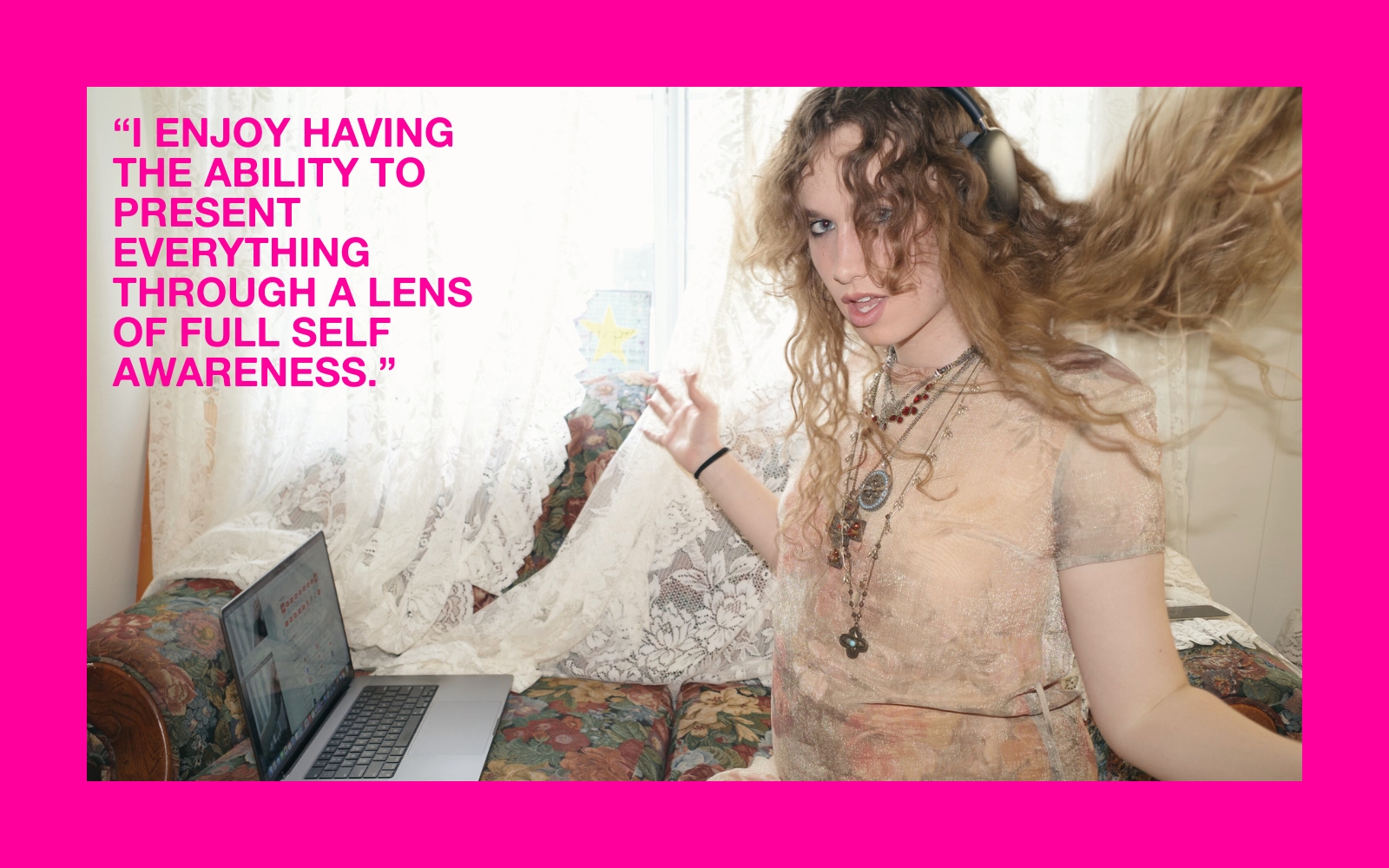
Eli lights up when the conversation turns to the visuals orbiting her recently dropped “tringle”—a triptych of pop pageantry she co-directed with friend, collaborator, and musician Ayleen Valentine. “Ayleen and I were just like, ‘We could do this alone,’ and we did it alone—which felt so creatively stimulating,” she begins, further admitting that “It’s really hard for [her] to be formal creatively.” It works in her favour, however, because it’s that looseness—the refusal to button-up—that not only infuses Eli’s work with allure and personality, but keeps you coming back for more.
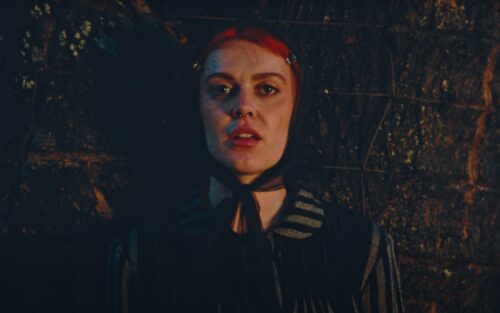
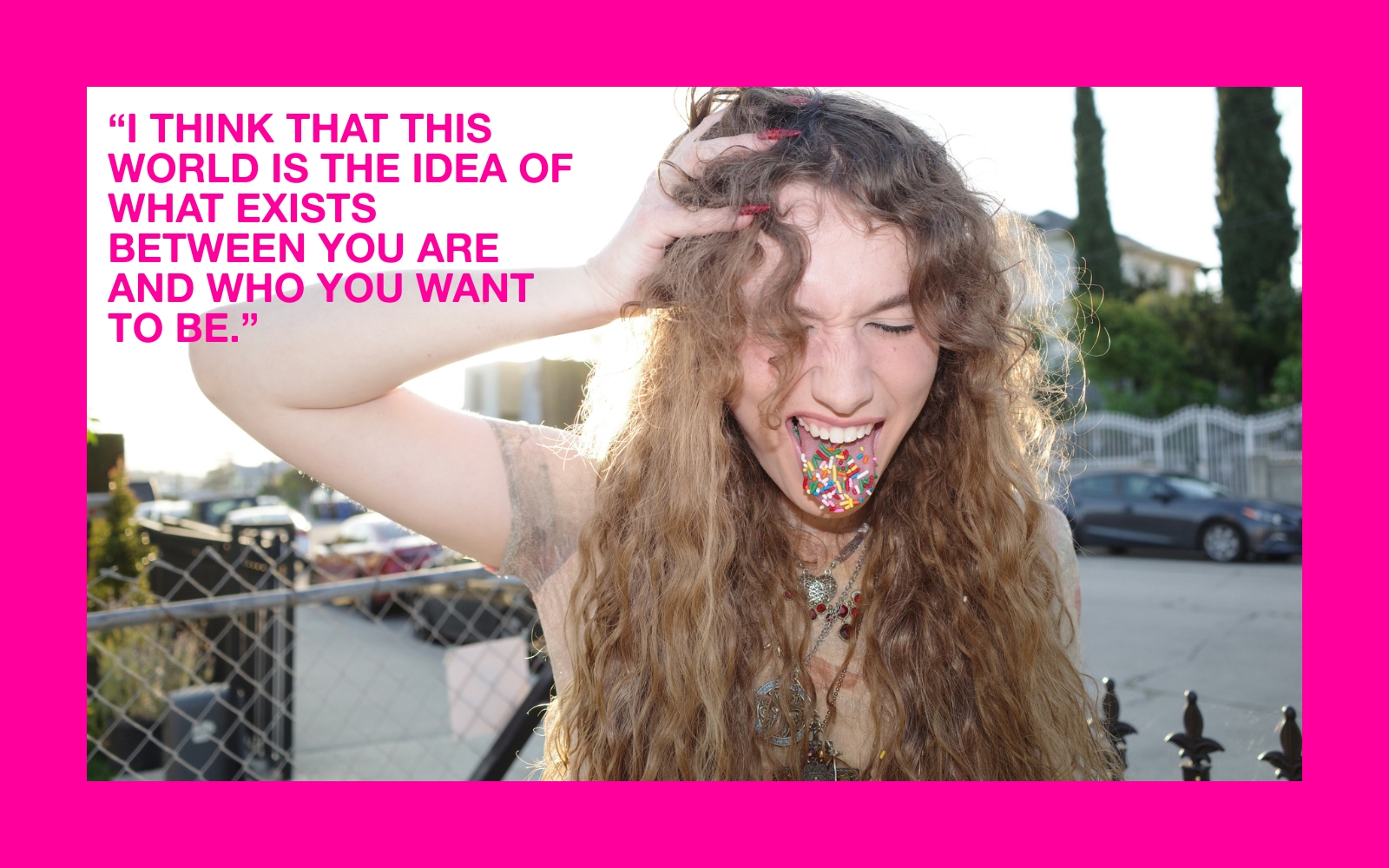
The video series charts the rise (and spiral) of a wide-eyed wannabe from Massachusetts clawing her way onto a reality talent show dubbed Stage Girl. Think American Idol meets 2010 YouTube-vlogger meets Hannah Montana—a love letter to the spectacle, breakdown, and post-ironic sincerity of pop stardom’s golden age. “I don’t think my journey is being polished,” she candidly admits. “The reason the Stage Girl world excites me is because it exists between who you are and who you want to be. It’s that sweet spot of aspiration and pulling apart your imperfections.” In Eli’s world, perfection isn’t the prize—the performance is.

“Girl of Your Dreams,” the tringle’s magnum opus, erupts like a Jordin Sparks album-cut circa 2007—bubbly, cathartic, and drenched in the earnestness of an Idol champion’s post-win debut. Within a month, the track cracked a million streams and had everyone from Troye Sivan to Addison Rae in her DMs. “It doesn’t feel too throwback-y to me, it still feels cutting edge,” she says, and it’s hard to argue. When asked about what comes next, she’s keeping things mystical: “I’m still talking to the wizards and the fairies of the world and we’re still brewing on what the best follow up to Girl is, but like… I honestly think all of them.”
Eli, like so many of 2025’s most captivating queer-pop disruptors, comes from the confines of a small, conservative household. That early claustrophobia and ache to escape powers the ensuing music—a reclamation of what was once withheld, a synth-y riot against the violence of being told who you’re not allowed to be. “Stage Girl’s story, really, is ‘This is your one shot.’ Like… you’re from a small town, you finally break out, and you’re standing in front of someone who holds the keys to the gate,” she starts, gradually swept up in the story as she tells it. “And if you just lock in and sing your heart out… I don’t remember what your question was. I don’t know why I’m talking about this.”
“There’s such a scrappiness to early Disney,” she says. “Obviously, Hannah Montana had, like… a massive budget. But I feel like there was this rawness back then that Disney shows just don’t have anymore.” That sense of scrappiness—the rough edges and unvarnished heart—is what makes Stage Girl feel so human. “I love a shaky camera…” she continues. “I love the idea of trying to find a balance between the narrative base and it still making sense with the song.” She then points to several creative influences who embrace awkwardness and imperfection as part of their storytelling: Bo Burnham’s Eighth Grade, How To with John Wilson, and Nathan Fielder. These influences allow Eli to wield discomfort as a creative tool, converting it into the oomph that makes her work feel genuinely alive.
What talking to Eli really confirms is that artists like her are the lifeblood of pop—not just the music, but the culture itself. We’ve all heard the critique: pop’s too sanitized, too calculated, manufactured to the point of soullessness. But Eli doesn’t do prefab. She does unfinished demos on SoundCloud, Discord servers where fans double as her creative team, and Create-Mode Instagram stories shamelessly broadcasting her unfiltered thoughts and opinions (e.g., “Seeing so many old friends having babies. Thanks guys for continuing humanity while I work on continuing swag”). Stage Girl is a performance, and Eli’s just here to forget her lines, stall, and film the entire thing.