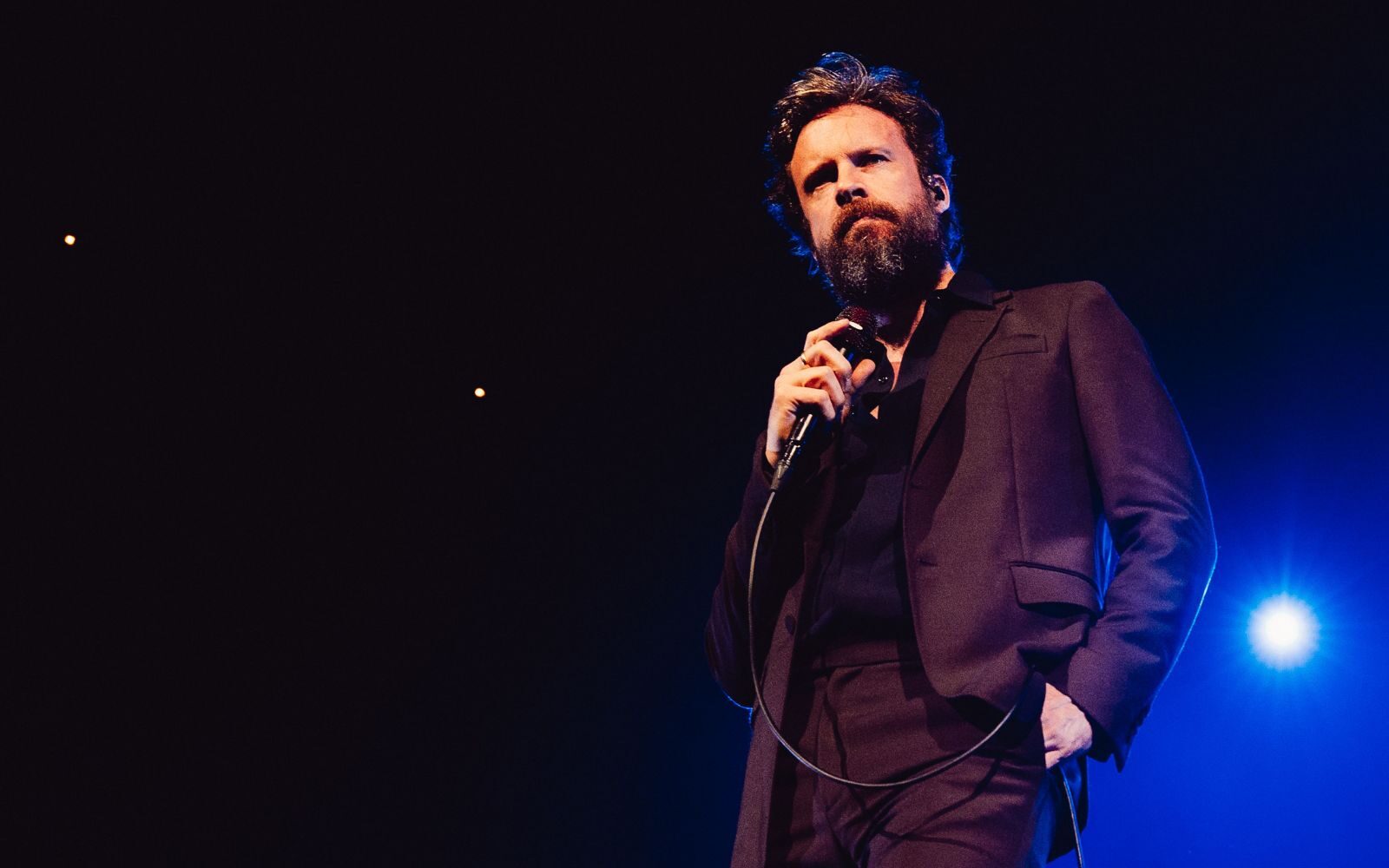
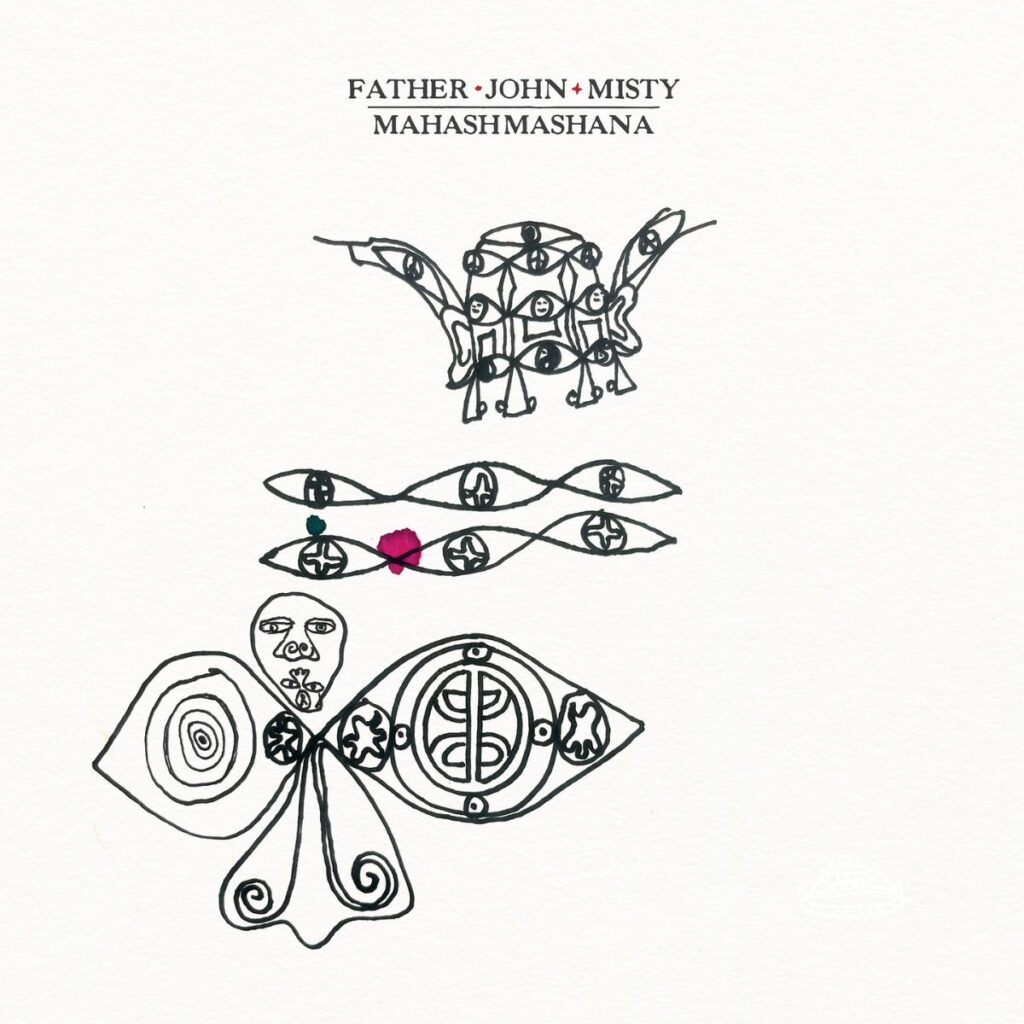
In lieu of a detailed bio, indie-rock philosopher Father John Misty’s sixth studio album is adorned with only a single sentence sent out to press, save for a list of credited musicians: “After a decade being born, Josh Tillman is finally busy dying.” Over eight tracks that still stretch to about fifty minutes in length – since, as his listeners will know, he often has quite a lot to say about whatever’s been on his mind lately – it seems like Tillman can feel the end coming, and is applying the philosophical, nihilist and sarcastic attitude he’s known for to the conditions that led us to this juncture concerning the world’s future.
Touching on the so-called “male loneliness epidemic,” a general sense of desensitization and disillusionment, and questioning whether the actions of those he calls “tacit fascists” in an inspired combination of words are “performance art” or “elaborate con,” quite a bit of this album seems like it was created with a prediction of a certain someone returning to the Oval Office. Judging from his past works, if anyone was primed and ready with an “I told you so,” it would have been Father John Misty. One powerful track, “Mental Health,” repeats its title like a playground taunt, as Tillman both speaks on his own struggles with it and simultaneously wonders why we worry so much about preserving it that we look away from the world’s problems or fail to organize any real resistance. “Maybe we’re all far too well,” he sings.
It’s not all bad, though: as his album takes its title from a Sanskrit concept meaning “great cremation ground,” Tillman genuinely seems to be making peace and even gaining excitement to see what awaits him on the other side. Despite being outspoken about his problems with how people interpret the teachings, he’s always been a spiritual guy – he was raised by Evangelical missionaries, after all. Over his most diverse bed of sounds yet – it feels a little like taking the best instrumental bits of all of his last albums – this is an album about looking around the globe and hoping he’s able to find a little more happiness somewhere else.