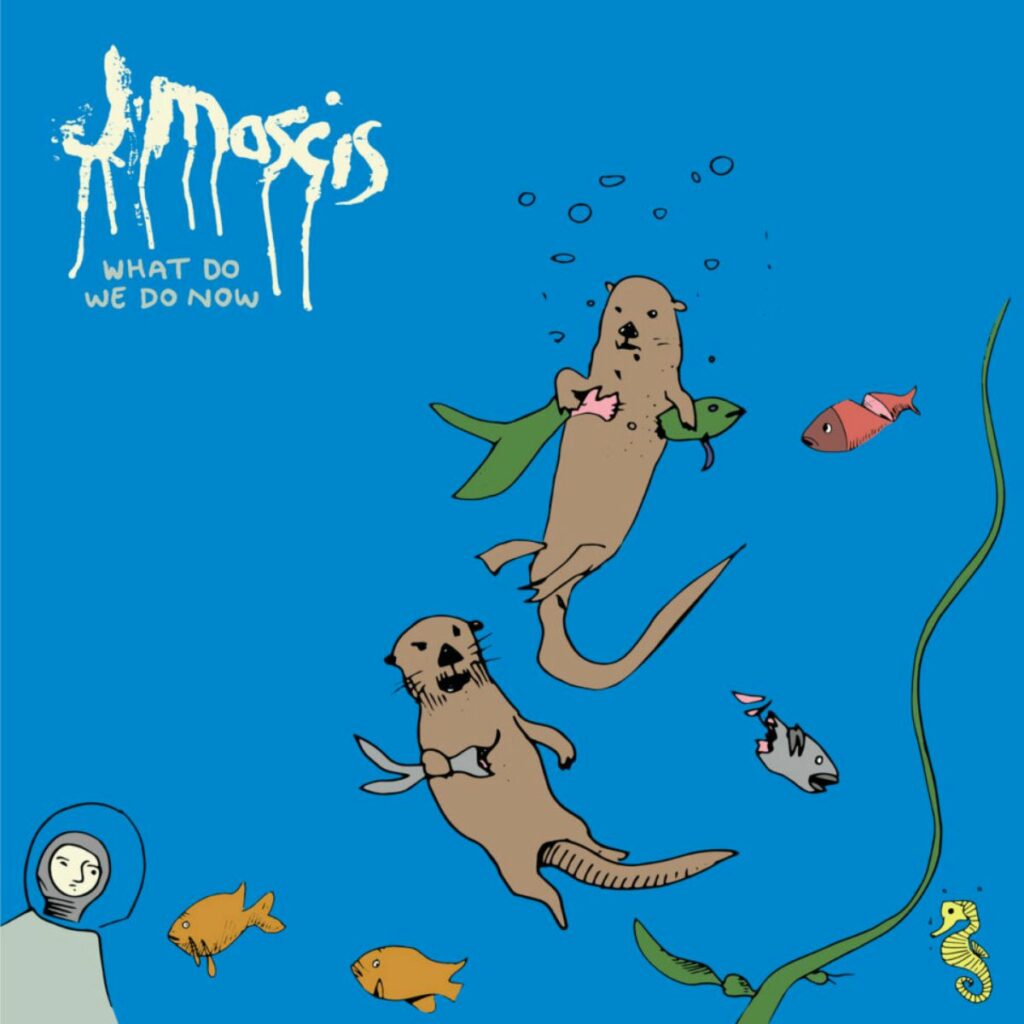
Until now, solo albums by J Mascis have been an acoustic adventure; the folksier side of Mascis compared to the amplified eruption that defines and drives his band, Dinosaur Jr. While there’s still a relaxed flow to his fourth solo outing, What Do We Do Now, this time he’s playing with a full band and turns the dial up considerably.
A full band needs some clarification: Mascis plays bass, drums, guitar and sings. Essentially, he’s a one man band with the addition of Sub Pop label mate, Matthew “Doc” Dunn, who adds some pedal steel guitar work, and Ken Maiuri, a keyboardist who currently plays with the B-52s. Both of these helping hands are talented multi-instrumentalists with impressive resumes in the recording industry.
What’s instantly noticeable from the album’s lead off track, “Can’t Believe We’re Here,” also released as a single, is Maiuri’s inviting piano fills, adding a bit of blue skies with popcorn clouds flying overhead. The keyboards are remarkably refreshing, clearly opening up the songs and adding a lot more colour. J’s solo work just got brighter… and much bolder.
Those who follow Mascis’ career know he’s an impressive drummer, which is where he first started – behind the kit. Throughout the record the drums feel like they’re up front and centre. It’s not heavy rock drumming, rather it swings freely, yet it’s still solid and grounded, a melodic force in itself. Truly a distinctive part of the record’s dramatic character.
Mascis has often said he can’t sing and doesn’t like his voice. But his whining, lazy drawls and occasional, high-pitched out-of-nowhere falsettos possess a natural, empathetic and one-of-a-kind personality. Despite a psychological wrestling match in his head, his vocal delivery is more upbeat and energized, with a range of emotions here that run from sad to gruff to angry to happy and lighthearted.
And of course there’s the signature guitar solos, more ragged, sloppy, fuzzed out and over the top than anything else on the record. But the juxtaposition works perfectly. J is masterful at creating tension, raising the excitement levels and just letting it bleed. Every song has a solo, maybe two; there’s the buildup, and then the execution – a raw riptide, a sonic rebellion.
Definitely not a folksie affair, but a fine blend of loose indie pop with some intricate arrangements and dashes of country, along with a few punchy chorus lines and a whole lot of whacked out guitar solos. A new adventure in Mascisland.