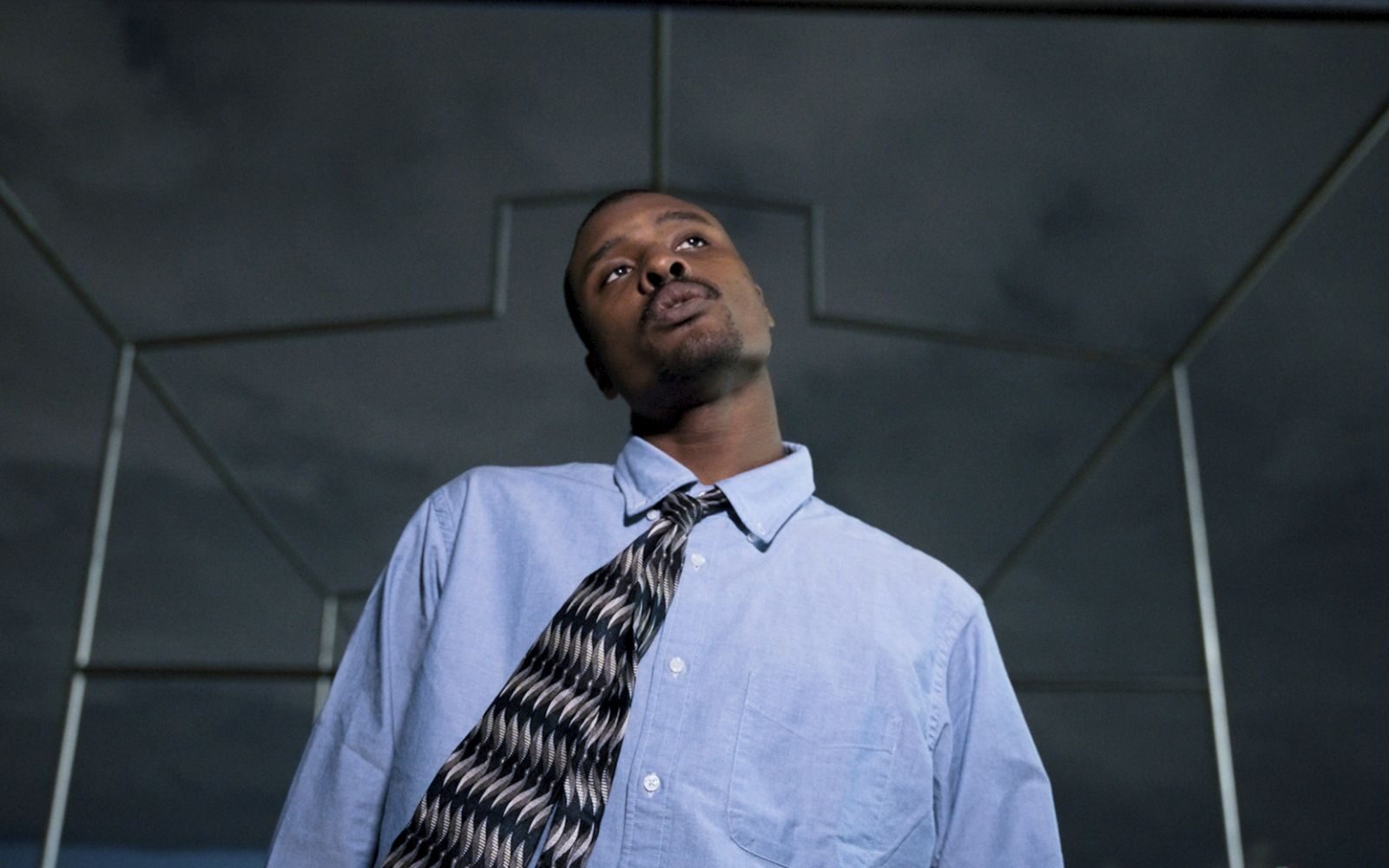
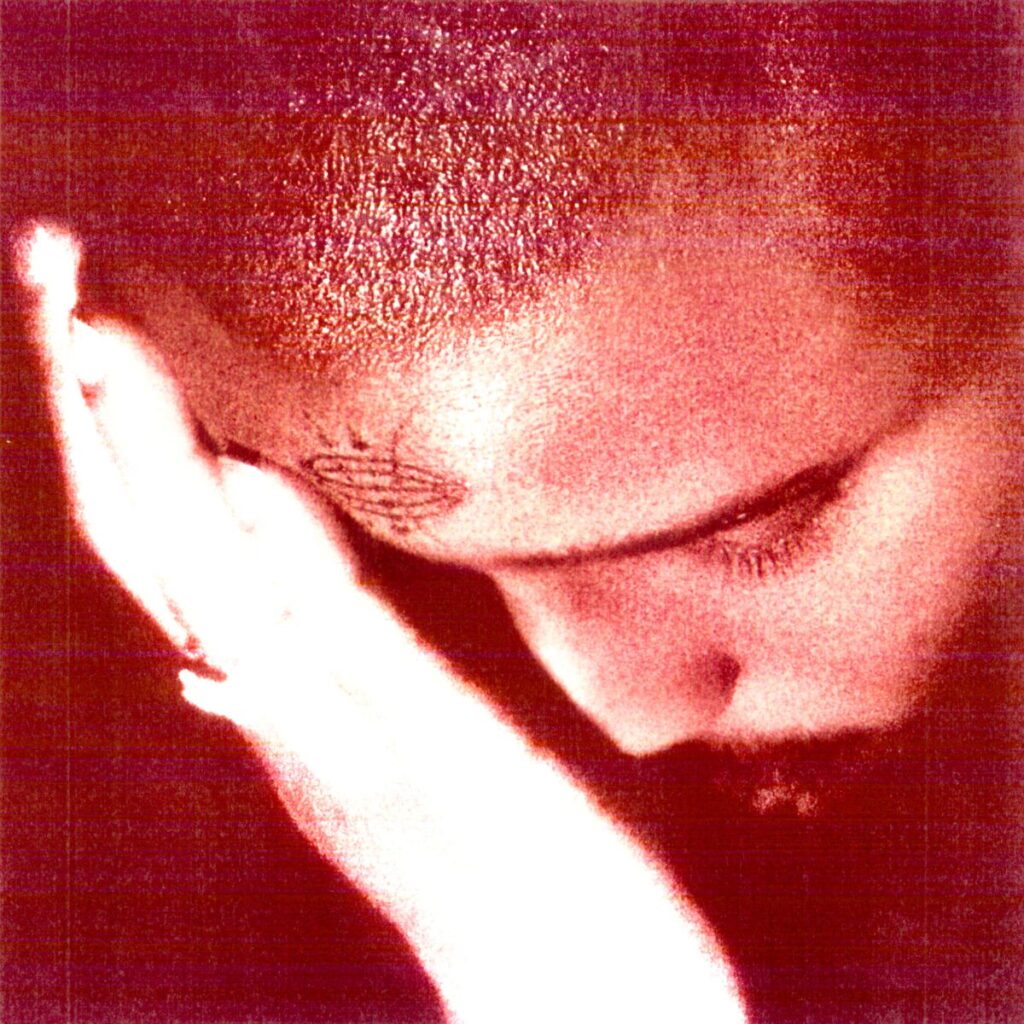
Marcus Brown’s debut as Nourished By Time for XL Recordings, The Passionate Ones, doesn’t present songs so much as flickers—memories corrupted by compression artifacts, club soundtracks overheard from the street, or feelings passed through too many filters. It’s dance music only in the way that longing can be danced to. Every synth line sounds slightly corroded, every drum pattern a step behind its own shadow.
The sounds of The Passionate Ones emerge from a space suspended between the past and the unknown. It’s music that never quite belongs to the present—instead, it feels like it was crafted in some strange liminal space where the rules of time, genre, and feeling bend. House pianos jitter in one ear while electro-funk basslines splinter in the other, colliding to create an otherworldly culmination of sound, both fractured and brilliant. Brown takes you to a place where moments evaporate in an instant, yet stretch endlessly, far beyond the album’s reach.
Opening with “Automatic Love,” a haunting, synth-driven overture, Brown exercises his signature murmured repetitions—desperation lacing every syllable like a warped battle cry. “I can’t wait for you to love me,” he pleads, endlessly chasing a connection that, by the album’s end, may remain forever out of reach, a yearning that spirals inward just as much as it reaches outward. On “Tossed Away,” Brown’s search intensifies, his voice trembling with quiet urgency. “But I want you to know I’m reaching for you,” he cries, stretching toward something intangible. It’s this candor that anchors Brown’s world, a parallel reality where the specter of emasculation through open emotion is a ghost—a dystopia where this concept is erased from the timeline entirely.
There’s real vulnerability here, but it’s not ornamental—it’s structural. The songs threaten to fall apart, and often do, revealing a kind of intimacy that’s less about confession than fragmentation. Brown isn’t seeking resolution; he’s mapping out the emotional debris. Tracks like “9 2 5” and “Idiot In The Park” teeter between groove and collapse, as if the machines are malfunctioning in real time, trying to express something that the human behind them can’t. In result, The Passionate Ones doesn’t ask for clarity, it asks whether clarity was ever the point.