Remembering Steve Albini: The Most Punk Motherfucker in the Music Industry
The iconic producer and Shellac frontman leaves a gaping hole in our hearts and headphones after suffering a heart attack.
by Tyson Lennox
Published on
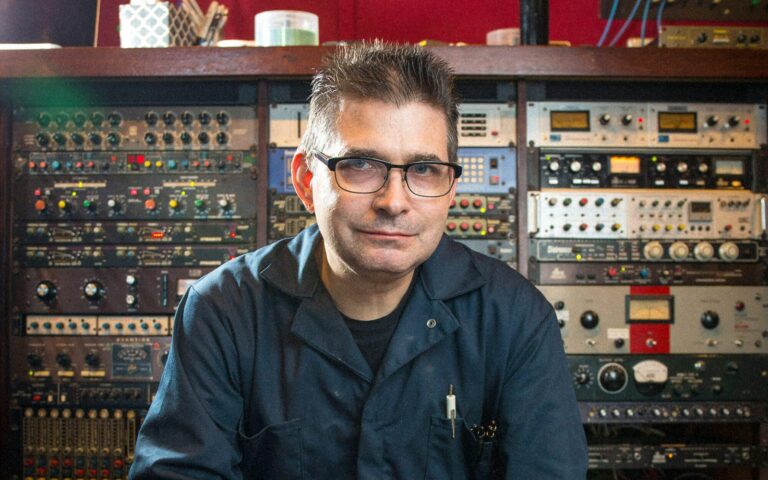
The world of music has suffered an insurmountable loss with the sudden and unexpected death of Steve Albini from a heart attack at the age of 61. It’s nearly impossible to properly catalog this man’s contribution to music; his accolades as a producer and engineer are myriad and well known, but his role as an advocate for the DIY punk ethos and his constant struggle against the sins of his past to become a better person are also reasons to celebrate his life of accomplishments and to look to him as a beacon of the true spirit of underground music.
It seems absurd that it could end this way, so abruptly and just a week out from the release of To All Trains, the first new Shellac album in a decade. The band was also reportedly gearing up to tour in support of the new record. Instead, this album will serve as the final chapter in the career of a musician, engineer, and artist who fuelled the flames of DIY rebellion and stayed true to his core ethos even in the face of what must have been frequent and overwhelming corporate influence.
He was an outspoken critic of exploitative music industry practices all through his long and storied career and would work with any artist capable of paying his rates. Although he is best known for engineering a collection of essential classic albums you almost certainly own – among them Nirvana’s In Utero, PJ Harvey’s Rid of Me and Pixies’ Surfer Rosa – he never accepted royalties for any music he put to tape and made no secret of his disgust for the common industry practice of earning money forever off of the hard work of other artists.
In a recent interview with Conan O’Brien and the surviving members of Nirvana, Albini is in perfect form as a producer and facilitator speaking at length about the process of recording the album and stepping in to make sure Dave Grohl can’t steal all the oxygen in the room talking about himself. He knows bassist Krist Novoselic is shy and content to let others speak unless he is prompted to be included; you see him make that effort several times throughout the interview and the results speak for themselves.
The world is a worse place without Albini in it and I hope his example can inspire others to go forth and make something incredible happen in their own creative communities.
Here are some slightly lesser known but truly incredible works of art that simply would not exist as they are without Albini’s hand at the soundboard: