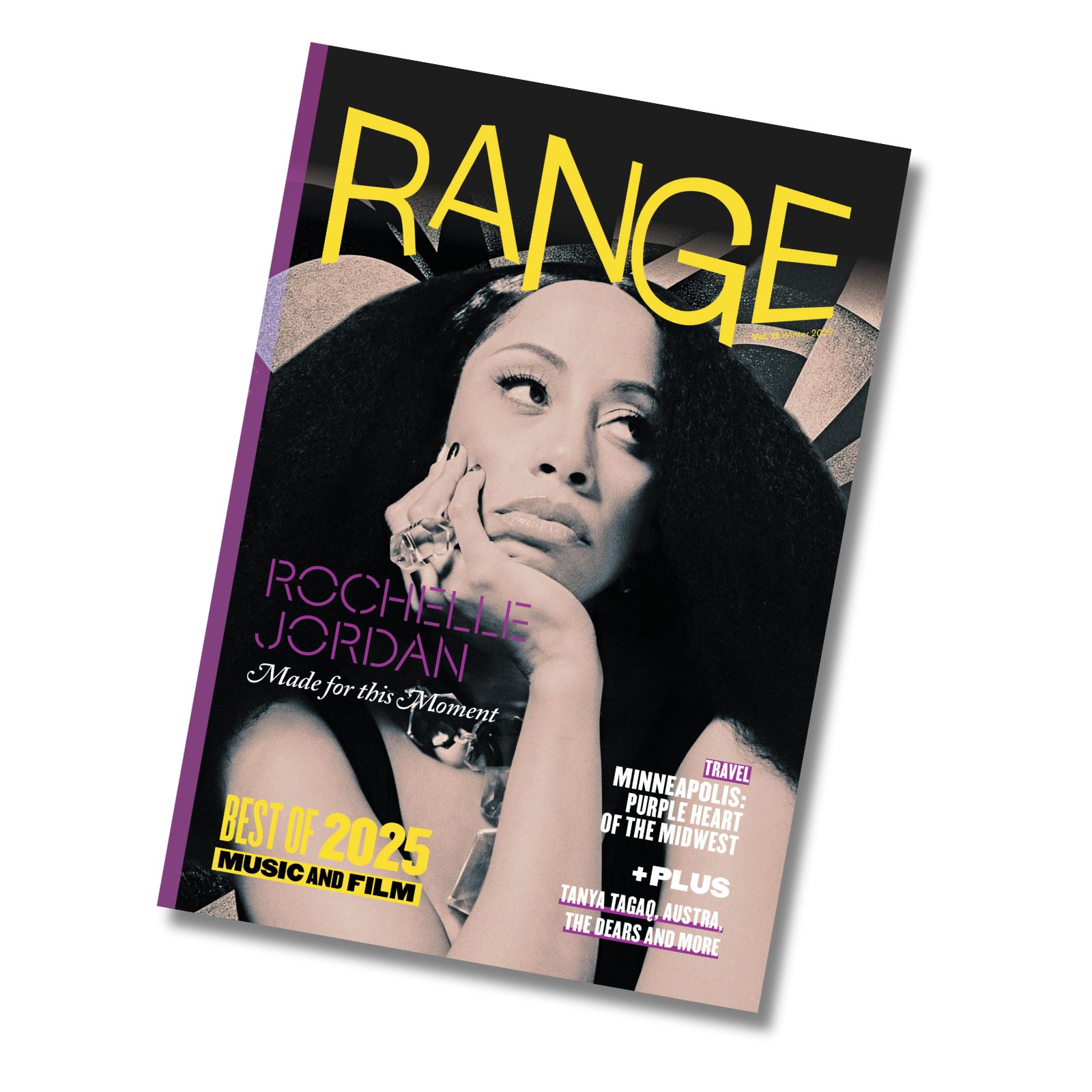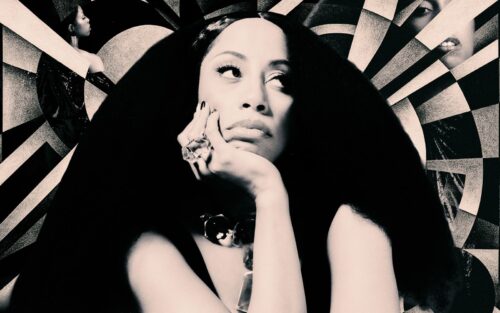

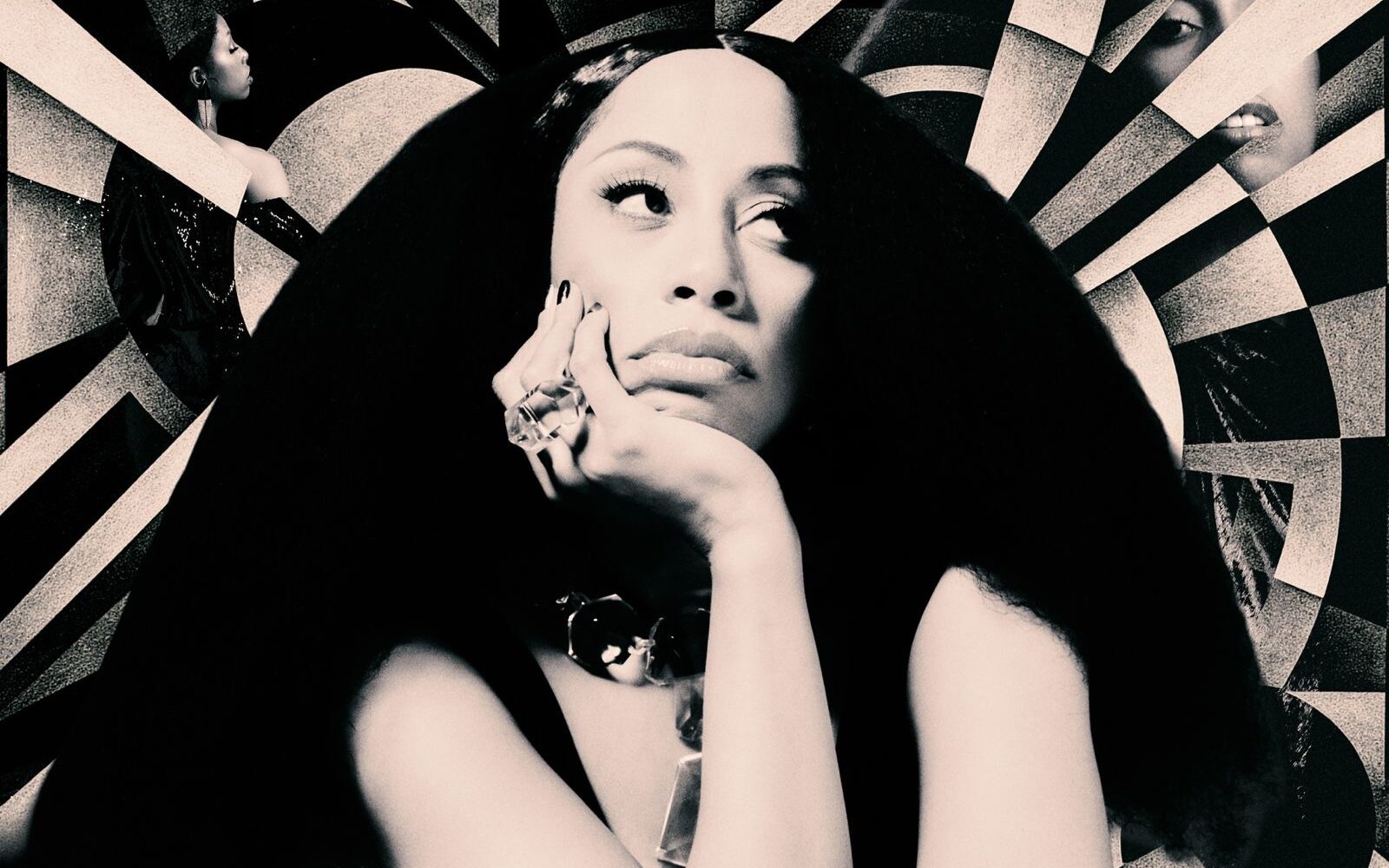
This is the hour that Jordan’s latest record, Through The Wall, was made for: the time of night when taut garage samples, clean lines, and a kind of weary-eyed lucidity make you reconsider every boundary you swore you wouldn’t cross. It’s a record that feels like a natural next step for an artist who’s spent the last decade teasing the edges of club music, R&B, and the in-between spaces where you stop pretending you have anywhere else to be—Jordan’s own personal soundworld, now fully realized and wearing its influences like a perfectly tailored glove.
Jordan isn’t exactly a newcomer to these parts—she’s been turning heads since the early 2010s, first with scrappy YouTube singing videos and then with bold proclamations of self-assuredness that somehow telegraphed the artist she was destined to become. There’s a deliberate grace in the way that she speaks, making it apparent why Through The Wall emanates a diva-ness reminiscent of artists like Janet Jackson—part precision, part friskiness—because Jordan knows exactly what she brings to the table. As she teases mid-conversation: “Let me aura farm them real quick.”
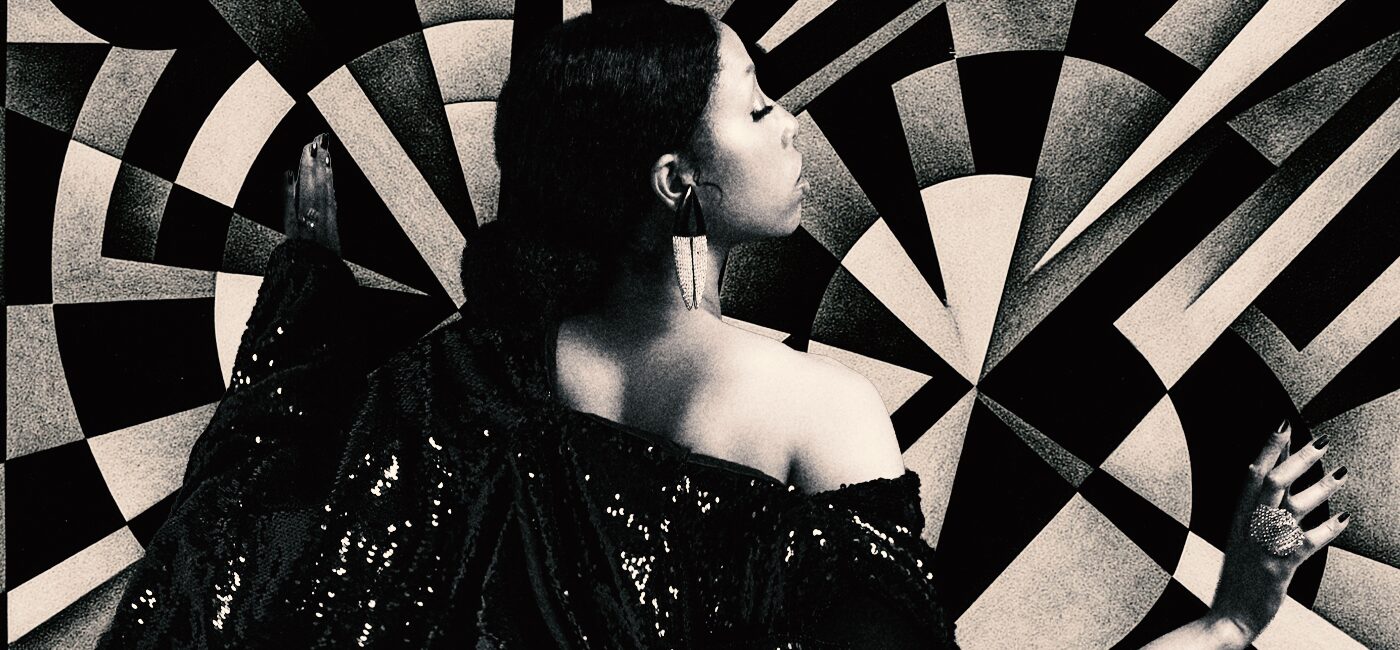
“I think that the title, Through The Wall, was manifesting throughout the process of creating it,” Jordan says, and it’s easy to hear the literal and metaphorical power behind that statement. The album became a laboratory for dismantling boundaries she’d long set for herself—between genres, between her public and private self, even between the polish of her earlier work and the more vulnerable impulses that she wanted to explore. “Everything that you’ve gotten, all of these wins in your life, you can accept them with joy,” she affirms—a declaration that carries extra weight from someone who’s admitted to wrestling with imposter syndrome in the past.
Long before Through The Wall, Jordan’s career felt like a long-gestating but inevitable arrival—she emerged in the blog era, building a devoted, discerning following while dodging the kind of major‑label pressure that might have strangled her vision. “Being an independent artist, it’s amazing on one hand, because you have full creative freedom. But because the process is so much slower… you’re not realizing that you’re getting seasoned for something really great,” she says, framing the patience, missteps, and solo grind as a kind of rigorous apprenticeship that’s paying off in spades now. “When [Through The Wall] came out and I saw the reaction, that was confirmation that I’m exactly where I need to be. It was like ‘You’ve done it. You’ve broken the cycle that you were in.’”
Even with a rotating cast of collaborators, Through The Wall remains unmistakably Jordan. “There was a lot of joint effort and collaboration with these songs, which is amazing,” she confesses, a statement that feels both celebratory and revelatory for someone who admits, “I was a control freak for a long time, I used to write all of my records by myself… like, every single track.” Longtime partner KLSH executive produced the album, keeping the ship steady, while Parisalexa—who Jordan learned was a fan of hers years back—brought the spirit of her younger-self to the sessions. “She’s like a younger version of me, which made the process so flawless,” Jordan says, reflecting on the almost mirror-like dynamic of working with someone inspired by her earlier work. It’s a curatorial feat in the Beyoncé sense: Jordan orchestrates and guides, making sure that through all of the hands and voices involved, the record’s personality and unmistakable voice never waver.
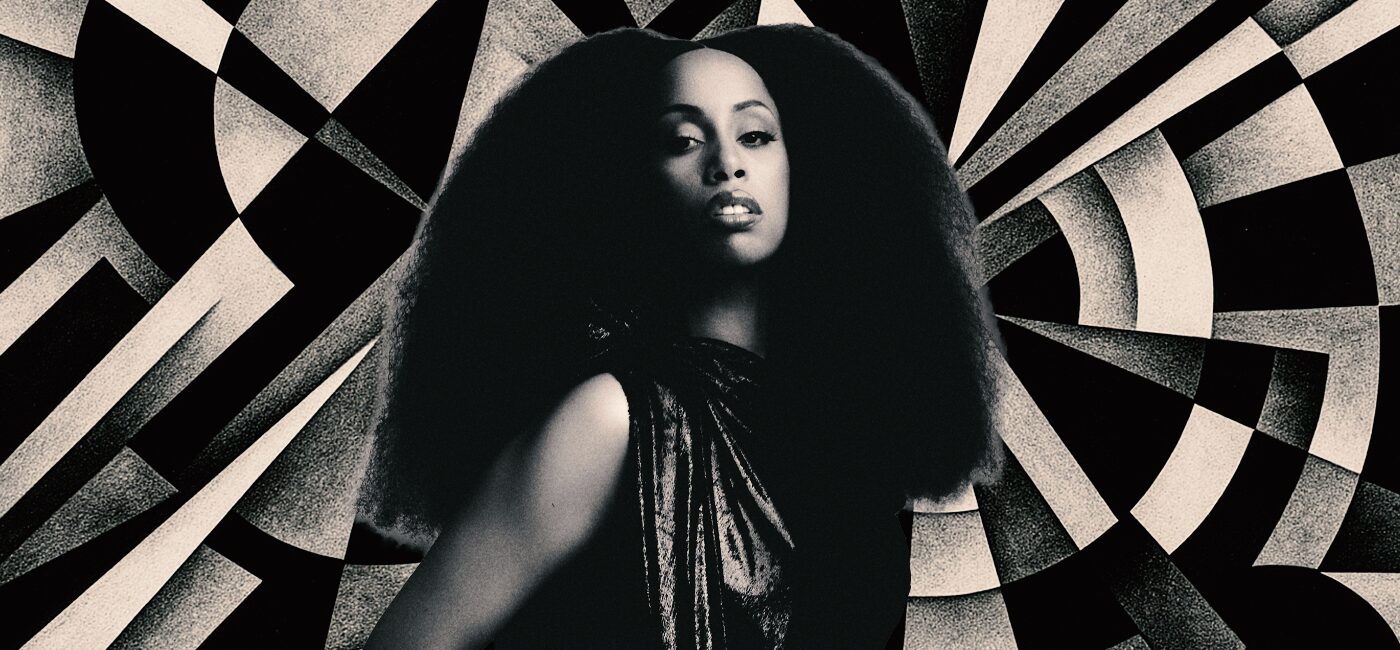
Jordan first connected with KLSH through a series of relentless DMs—so many that she finally checked them out of sheer curiosity. “I clicked on his Myspace, and his beats were, like, insane… just chef’s kiss,” she laughs. Soon enough, he was buying her a plane ticket to LA. Her parents were initially aghast—her mom crying at the airport, her dad certain she wouldn’t come back—but the next morning, Jordan remembers, “I get a call from my mom and she’s like ‘Where are you, bitch? I’m in LA.’ They had some Corvette that they had rented, literally with a drop top. My mom had, like… a head-scarf and sunglasses on.” She laughs again, shaking her head—but in that moment, she says, she knew that she had the kind of support that would carry her and KLSH through years of collaboration.
Audible in its jittering hi-hats, flickering snares, and delicate vocal inflections, Jordan’s willingness to take risks drives every moment of Through The Wall. “I’m always open to risk, that’s what my sound has been this entire time,” she says, a philosophy that drives the album’s fluid genre-bending. It’s not just about trying on R&B and dance music—“Anyone can sing on an R&B track and then sing on a dance track… but to put your own stamp on something, that’s a risk in and of itself,” she points out—but about imprinting her personality on every decision. From the hypnotic sway of “Sum,” the urgent, garage-tinged propulsion of “Crave,” and the Neptunes-infected “Get It Off,” the record moves with peaks, jumps, and valleys, each track flowing into the next like velvet. “The reason why the album feels so flawless is because of the feeling of each song and how they move with each other, that’s what creates a story,” she explains, and it’s in those ebbs and flows that the album announces exactly who Jordan is and how far she’s willing to go.
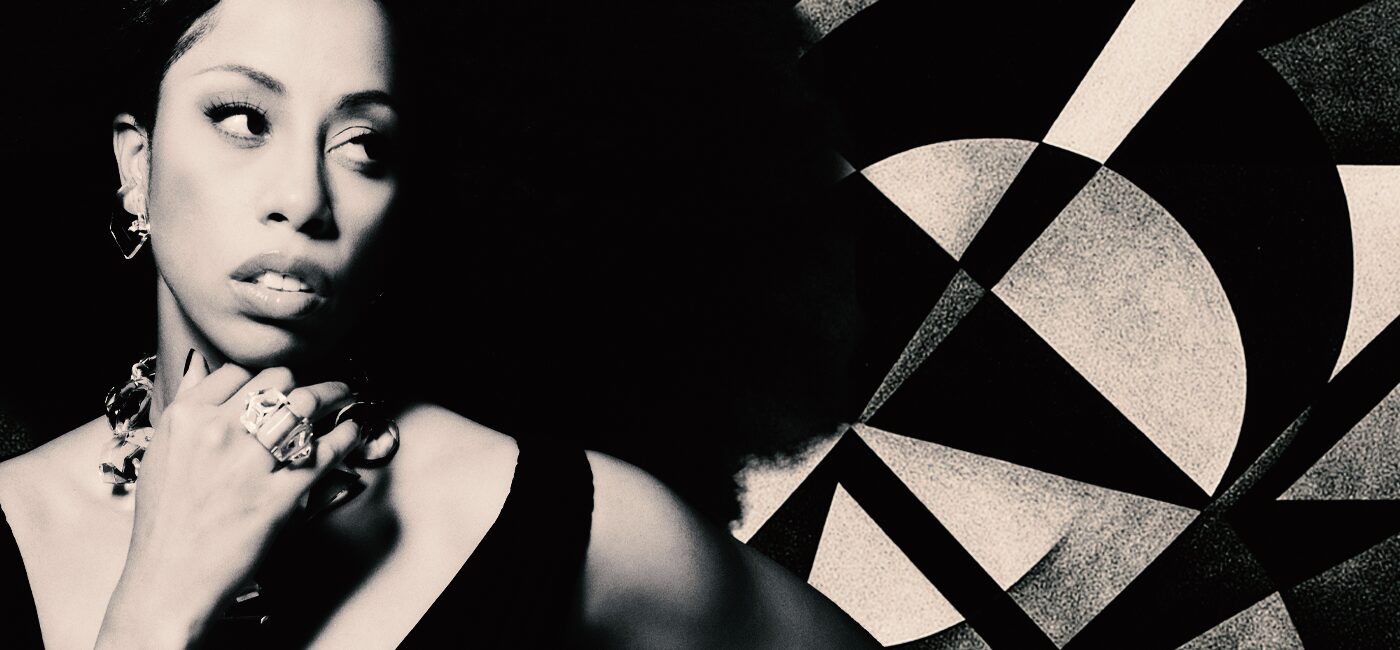
If 2025 was the year that Jordan proved that she could inhabit every corner of her own sound, 2026 is shaping up to be the one where everyone else catches up. She’s preparing to bring Through The Wall to stages across the globe, performing each track at the level of precision and intensity she’s long demanded of herself. “I want to perform these songs at the highest caliber of performance that I can possibly perform them at,” she says, the kind of statement that feels both like ambition and a promise. She’s aiming for something louder and bolder, but it’s tempered by a patience that’s earned, hard-won from years of building, testing, and bending herself around her own ideas. “Going forward, whatever’s in front of me, I’m surrendering to it, and I’m gonna do it with great intention.”