

Jenner’s relationship to legacy falters in comparison to the importance of family. “It’s really unhealthy to have a kid and say ‘Check out how cool I am,’” he says, explaining the break was an intentional choice to understand how to be a good father and husband. “Rock and dance music are about exuberance, pain, and transcendence. Extreme darkness next to extreme light. Although it was difficult, it was the best of times in the worst of times. I don’t enjoy that chaos now, because that makes me a bad parent.” At 25, Jenner didn’t know how to be kind to himself. Music showed him a temporary sense of safety, while defining success allowed him to learn more intuitively. “I met a lot of my heroes. They didn’t feel successful and that bothered me. I feel successful, not because I did something legendary in music, but because I like myself.”
The Meet Me In The Bathroom era is often romanticized among younger generations of music lovers and media, yet Jenner notes it as one of the more difficult periods in his life. “I think it was so horrific because I was very black and white back then. I was either having the greatest time of my life or I was ready to kill myself–there was no in-between,” he says, recognizing his new ability to hold several feelings at once towards that period. During his break from music, Jenner reminisces on a profound moment with his son, who said, “When I was younger, I knew you were this guy in a band but I didn’t know you as a person. I feel like I know who you are now.” Jenner says this comment from his son that validated his decision to walk away and prioritize his family.
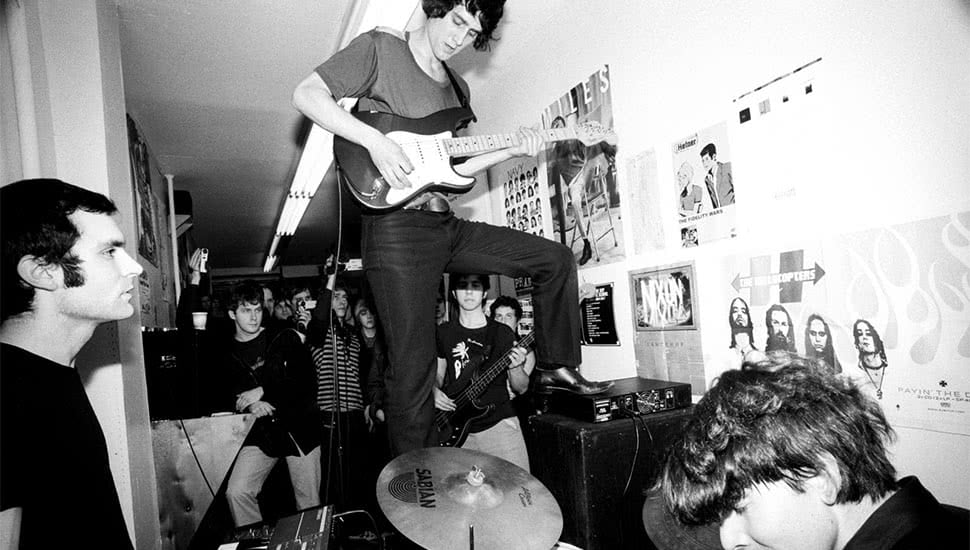
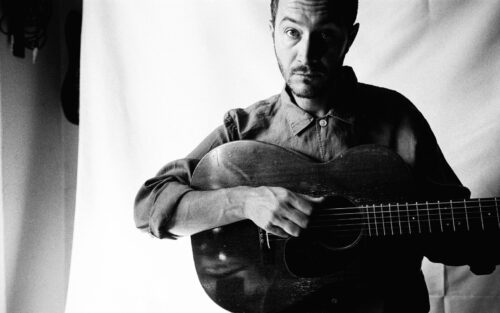
Photo: Jeff Winterberg
Bringing a refined approach to The Rapture 2.0 with him, Jenner roots his musical return in his definitions of safety and success. “[Safety and success] are an inside job. No one can define safety for you. I can tell you you’re safe, you can believe me because you trust me–but when I disappear you’re not gonna feel safe anymore,” he says, highlighting the importance of preserving curiosity. “When you’re successful enough to be legendary, curiosity is challenged. You get flattened out. That frightened me, I didn’t want to miss my life. Most of my heroes did. They made other people happy but weren’t able to digest their creation.” Jenner aims to transfer the lessons he’s learned into audiences at The Rapture’s sets. “I know how to feel safe now, I’d love to impart that. That’s why I’m back.”
15 years after Echoes first changed the landscape of disco punk revival, he’s ready to test his lessons and learn more about himself. “There’s three ways to get paid: financially, credit or affirmation, or meeting people who give one of those two things. I care about being seen for who I truly am, not as ‘Luke from The Rapture’ but in my totality offstage. That’s what made me not die,” he explains, noting people currently seek comfort. Jenner implores people to attune themselves to what makes them feel safe, that he wants to continue to do the same as he returns to touring. “The audience makes me safe. At one point, I felt scared by journalists, audiences, touring, everything. I didn’t feel safe in my body. Now that I do, I think we’ll figure it out together.”