

Across 11 jam-packed days and more than 200 feature films, TIFF 50 delivered a sprawling mix of highlights, misfires, surprise discoveries, and one colossal letdown. From devastating international dramas to razor-sharp takedowns of capitalism, a genre-shaping horror smash, and a period piece that reframes Shakespeare for a new generation, here are 10 movies (plus one gargantuan disappointment) that defined this year’s fest.
On the surface, Kleber Mendonça Filho’s The Secret Agent reads as typical awards bait. It’s tale about a dissenting technology researcher (Wagner Moura) on the lam in 1977, during Brazil’s infamous Military Dictatorship, seems primed to be a weepy look at the open wounds of horrors past. But from its opening moments, it becomes apparent that The Secret Agent is less interested in being an overarching document of its era than it is in being a messy, vibrant tapestry of a people.
Across 158 sun-soaked minutes, Filho’s film fervently clutches at the fabric of Brazilian history, culture, and folklore. Unfolding at a leisurely pace, it eschews the conventions of its political thriller setup to manifest as a living, breathing cinematic novel, brimming with warmth, texture, and detail in each bustling frame. Full of wild genre swings and detours, Filho crafts a loving reclamation of history, that sees fiction not as a means of obscuring truth but distilling it. Wagner Moura’s deeply lived-in performance is easily the year’s best lead turn. (Prabhjot Bains)
Forever a master of biting satire, Park Chan-wook’s returns with a bleak, painterly vision of late-stage capitalism. The magisterial No Other Choice—co-penned by Toronto native Don Mckellar—centers on a devoted family man (superstar Lee Byung Hun) who’s unceremoniously let go from his longtime position. Not willing to surrender his dream life, he banks everything on a coveted position with Moon Paper. But other candidates match or even surpass his qualifications. So, he takes the titular mantra to heart and decides to violently dispatch his competition one by one.
Unfolding with barbed, acerbic precision, No Other Choice slyly dissects the ouroboric state of corporate and workplace politics to deliver a layered portrait of our modern dog-eat-dog economy. slinking its way through a hysterical set of moral quandaries and errors, No Other Choice glistens off the screen as a grand tragicomedy. One that not only affixes us to the urgency of its dire message but also understands there’s little to do but laugh in a rapidly subsuming world. (PB)
At the TIFF premiere of Dinner with Friends, this succinct new film reminds us that inconvenience is the price we pay for community, but it’s worth it every time. This meditation on relationships puts us at the centre of a loving, sometimes tumultuous group of friends trying to keep their dinner party appointments over the course of two years in the ever-changing city around them. Even as life keeps happening to each of them and rifts ebb and flow within the group, a pronounced sense of chosen family and love persists among the imperfections. Sasha Leigh Henry’s first foray into features after the success of Crave Original, Bria Mack Gets a Life, more than sticks the landing while reminding us to call our friends. (Ozioma Nwabuikwu)
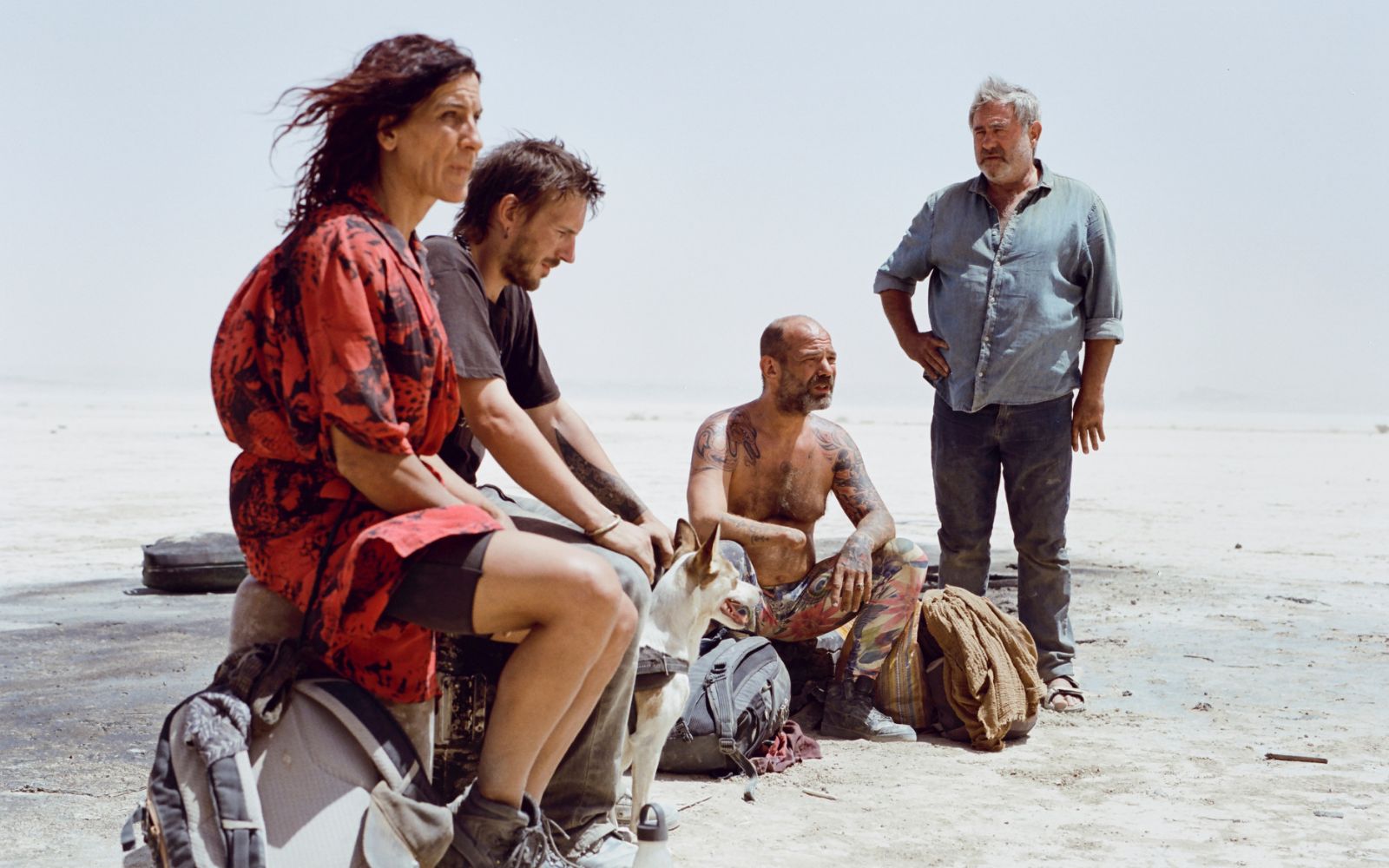
In a mad world, there’s nothing to do but dance the pain away. It’s a mantra sun-baked into the heart of Oliver Laxe’s enveloping Sirat. But as its purgatorial odyssey unfolds, it quickly becomes apparent that the sentiment is less of a coping mechanism and more of a grand act of submission. To the chaos of the world? To the indifference of the sublime? It’s not so clear, but after 115 techno-thumping minutes, Laxe’s film awakens us to the futility of our situation like few other experiences.
Its tale of a father searching for his raver daughter in the middle of the Moroccan Desert, alongside a caravan of veteran head-bobbers looking for one last party fiercely clutches at the senses. Laxe’s film plunks us onto a grueling path between paradise and hell that forgoes traditional narrative structure to become a painterly, sonic-visual symphony. To enter Sirât’s dominion is to enter a cinematic trance so engulfing that we become one with its oppressively gorgeous desertscape. (PB)
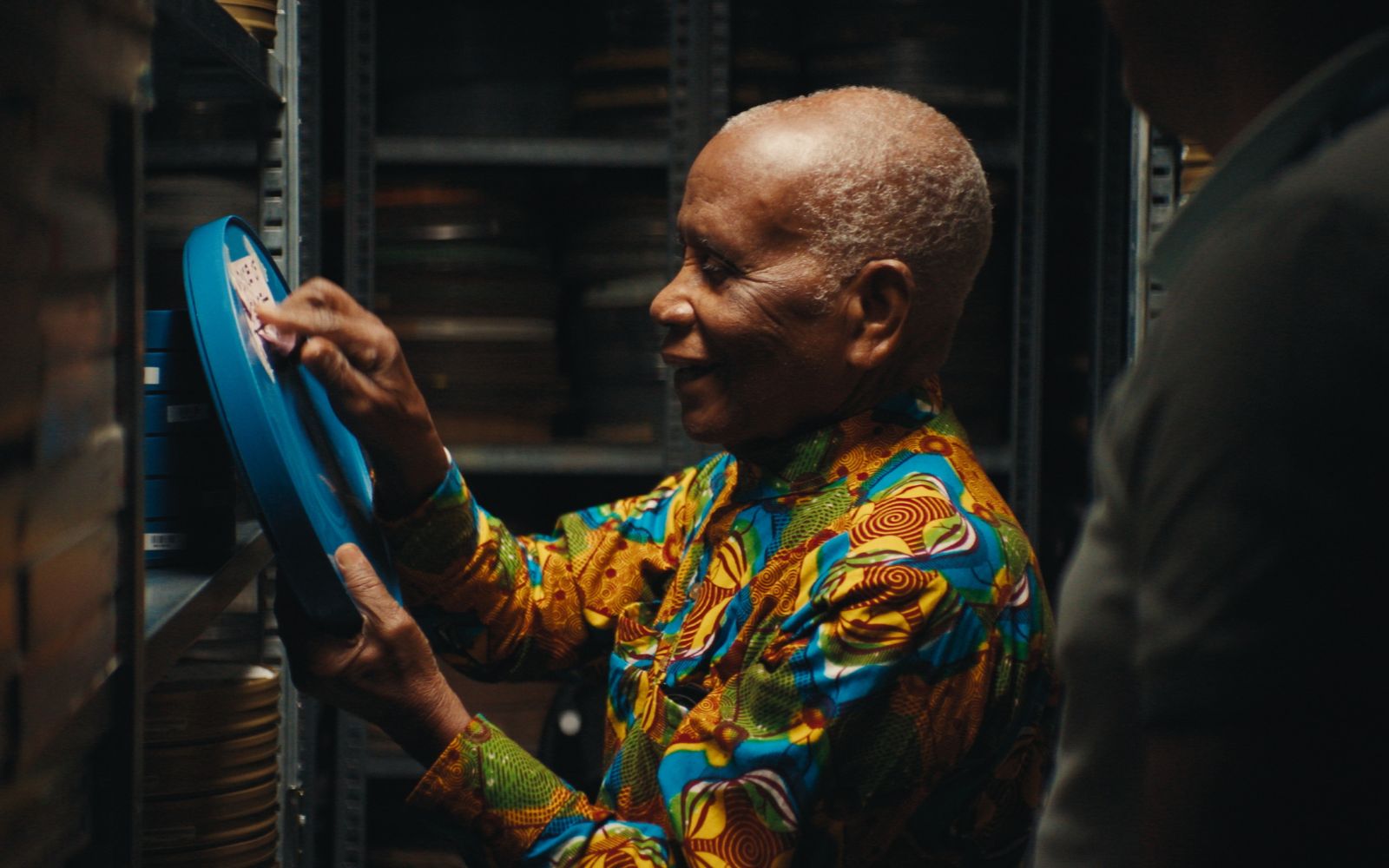
Executive produced by The Obamas, The Eyes of Ghana is a documentary about the courage to stand for freedom, to create art and to keep the faith. Featuring Kwame Nkrumah’s personal cameraman, Chris Hesse, the film chronicles Hesse’s journey to preserve the film footage he took during Nkrumah’s reign, juxtaposed against Nkrumah’s inspirational fight for Ghanaian and African freedom during and after the colonization of Ghana. The footage spans everything from UN summits to Heads of State dinners and hard-won elections. It also chronicles Nkrumah’s fall from grace and ousting via military coup. There is also an amazing local aspect set in the present day involving preservation of cinema institutions and the next generation of African filmmakers. The Eyes of Ghana is a nuanced look into the history of Ghanaian cinema and a reminder of the power to tell our own stories, for us and by us. (ON)
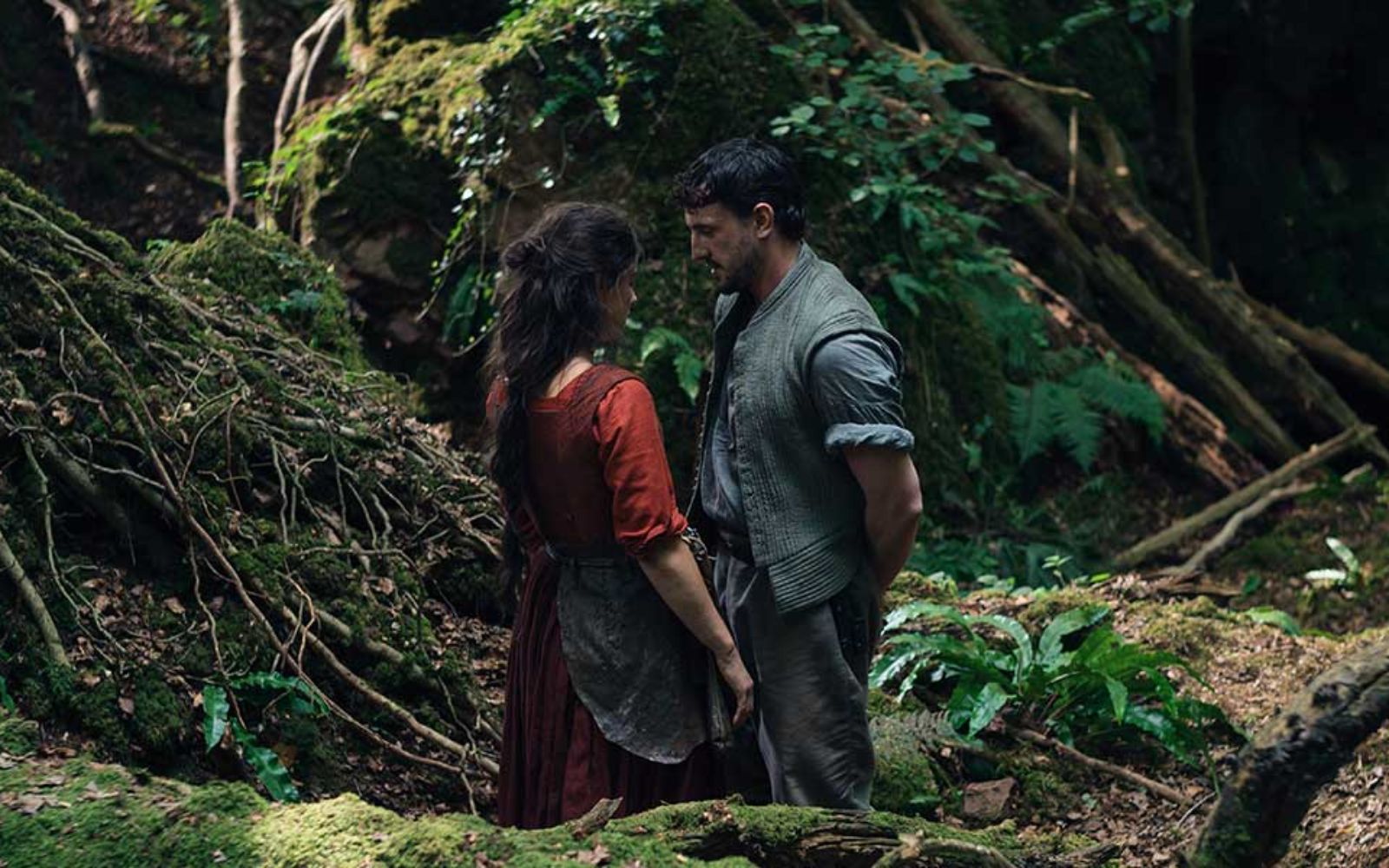
With English departments all over the world collectively forcing us to mull over The Bard’s tales to a tireless, mind-numbing degree, it’s hard to imagine anything drastically altering our perception of his ageless work. While the odd cinematic adaptation or transposition reinvigorates our appreciation of Shakespeare’s tragedies, they hardly redefine the way we approach them. Yet, Chloé Zhao’s Hamnet—adapted from Maggie O’Farrell’s novel of the same name—somehow peers into the liminal space between each word of The Bard’s lyrical prose, patiently and wordlessly extending its iconic iambic pentameter with a lush, naturalistic touch.
Following William Shakespeare (An enamouring, melancholic Paul Mescal) and the tragedy that befalls his family, as seen through the perspective of his biophilic wife, Agnes (A rapturous Jessie Buckley), Hamnet powerfully recontextualizes the thematic resonance of a literary giant’s text. In doing so, Zhao transforms The Bard’s ultimate tragedy into a quietly devastating treatise on art itself, as humanity’s only gateway into the metaphysical, eternal plane. You’ll never hear Hamlet’s famous soliloquy without bawling ever again. (PB)
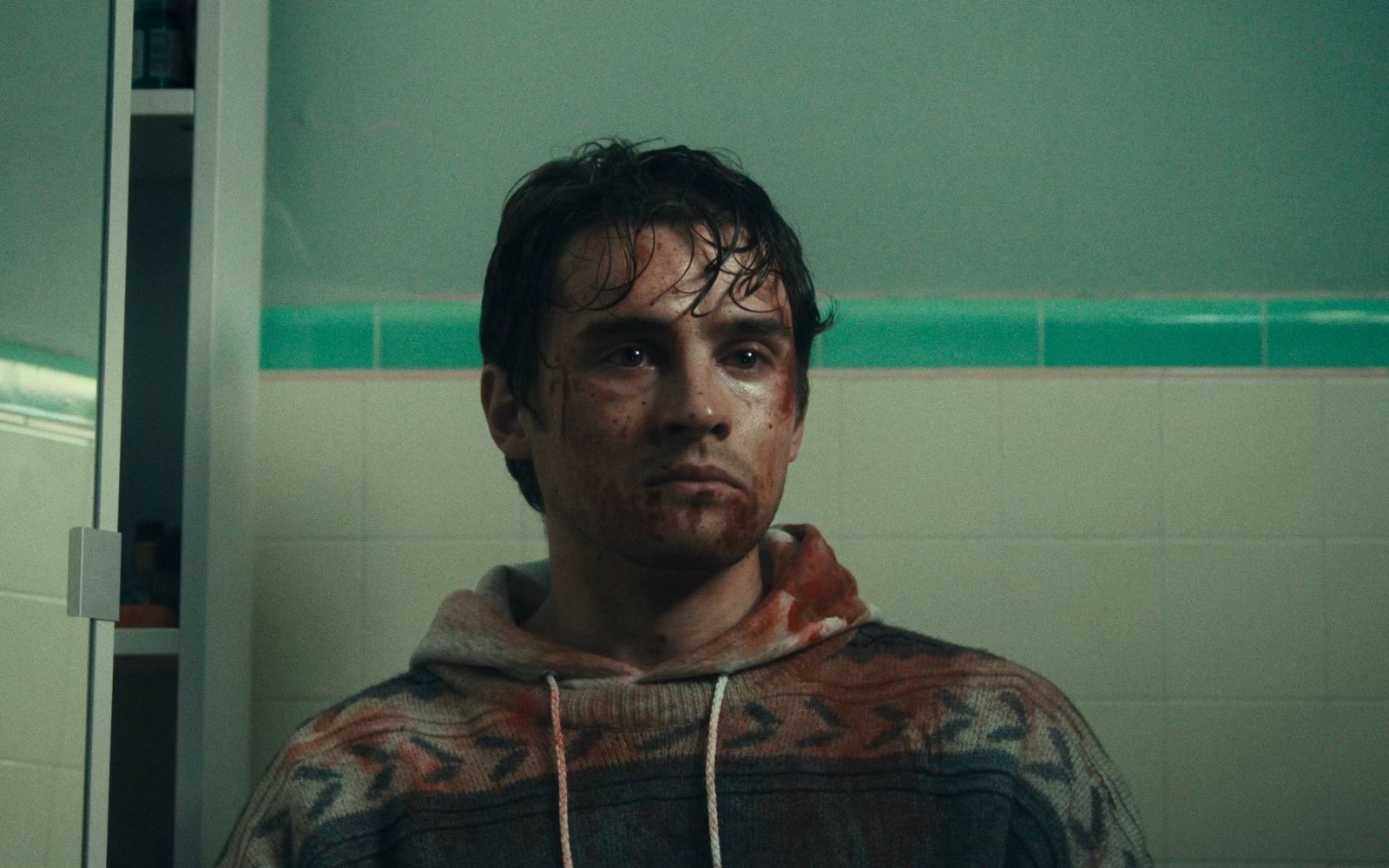
In the decade since “elevated horror” horror became a critical buzzword, The genre’s been inundated with self-serious experiences that sacrifice zany, devilish thrills for artistic resonance. Curry Barker’s fearsome debut, Obsession, obliterates that line, with an absurdly simple setup that quickly becomes intensely nerve-wracking and darkly hilarious.
Centering on Bear (Michael Johnston), who has long crushed over his childhood friend, Nikki (Inde Navarrette, an unabashed star in the making), finds yet another attempt to profess his love sputter and die. While in the possession of a seemingly innocent, by supernatural trinket, he sullenly wishes for her undivided reciprocation. Suddenly, Nikki Obsesses over Bear to a gnarly, sinister degree, relinquishing every bodily and spiritual need in a feverish bid to be next to him forever. As it uncomfortably lingers on almost every cringe-inducing frame, Obsession revels in every bit of comedic catharsis and terror it yanks out of audiences. Simply put, it’s one of the most unhinged and invigorating horror experiences in recent memory. A genre-defining hit. (PB)

Put Your Soul on Your Hand and Walk chronicles the ongoing suffering in Gaza under Israeli occupation through a series of WhatsApp calls between Iranian filmmaker Sepideh Farsi and young photojournalist Fatma Hassouna, who lived in Gaza. Over the course of a year, we witness the ebb and flow of Hassouna’s optimism and faith; she often has a smile on her face despite living in what she calls a prison. As Farsi and Hassouna get closer, a beautiful friendship forms, one that includes the viewer. On April 16, 2025, Houssan’s house was targeted by an Israeli drone strike, killing her and most of her family.
Inspired by Sepideh’s concern about the ongoing war, her inability to reach Gaza and her experiences growing up in Iran, Put Your Soul on Your Hand and Walk is a documentary about the bravery that it takes to live and hope in unimaginable suffering. A formidable addition to the current cache of work that explores the latest hostilities between Israel and Gaza. (ON)
Clint Bentley’s lyrical, life-affirming western (until it isn’t) quickly penetrates the soul. Unfolding as a stream of consciousness, a slow tide of time, Train Dreams patiently sketches the tumultuous life of a pacific-northwest logger (Joel Edgerton) who bears witness to the social and technological changes that shaped the American Frontier at the turn of the 20th century. The adaptation of Denis Johnson’s novella of the same name examines the maltreatment of immigrant workers, the exploitation of nature by industry, and the sad, humble lives lost to hard work through gentle detours and leaps through time.
Unfurling into a cosmic tapestry, Train Dreams illuminates the life of an enigmatic man who would easily be lost to the annals of history, unearthing beauty and truth in each step he takes. As the mythic old world of flora and fauna give way to concrete jungles, we begin to ponder our innate connection to it and our role in its intricate, grand design. Along with Will Patton’s magisterial narration, we come to embrace the enigma of it all. “Beautiful, ain’t it?” (PB)
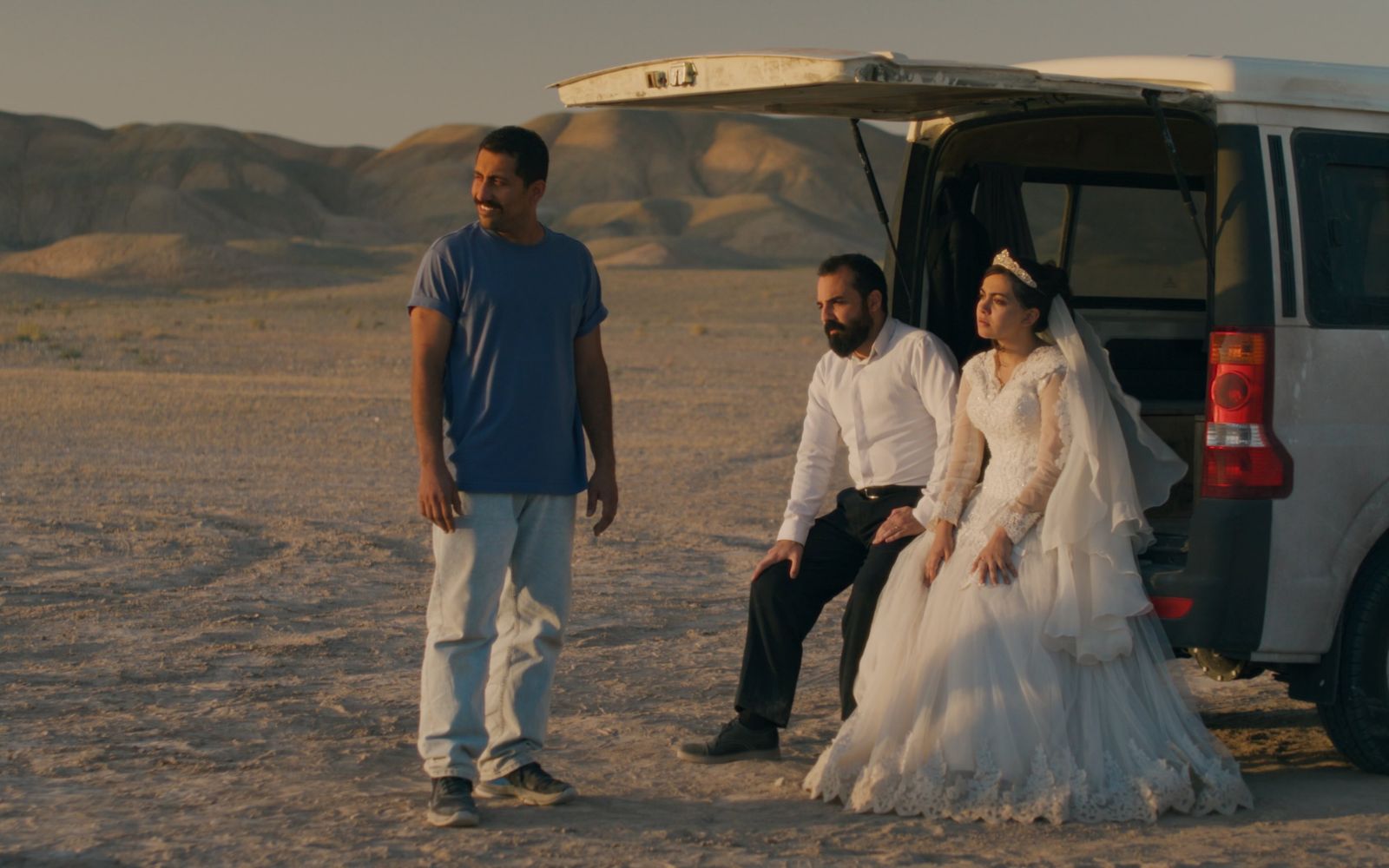
Stories centred around a quest for revenge often filter into two thematic camps: “revenge is evil” or “Forgiveness is virtuous.” Jafar Panahi’s dissident Palme d’Or winner rises above those surface-level inclinations to craft a prescient and layered reckoning with the Iranian Regime’s human and spiritual toll. Inspired by his own time in prison, Panahi’s humanist comedy of errors follows Vahid, a formerly imprisoned auto mechanic, who abducts man with a prosthetic leg who he supposedly recognizes as one of his former torturers. Unsure whether he’s nabbed the right man, he visits other ex-political prisoners—including a wedding photographer and a soon-to-be Bride—to validate his act of vengeance.
As It was Just an Accident sifts through a bevy of funny character interactions and confessions, it unfolds as a grounded take on a screwball road movie. One that cultivates a powerful community of shared suffering that blurs the line between personal and systemic trauma. It’s a social film that confronts such startling, ethically grey questions head-on, putting audiences in the hot seat of finding the answers for themselves. (PB)
Gorgeous, grotesque, and granular, Guillermo del Toro’s self-indulgent adaptation of Mary Shelley’s Frankenstein shocks and awes but musters little staying power. Despite the meticulous construction of each frame, it recycles the same motifs and themes to a sickening degree, labouring to come to life like the beast at the centre of it. We hope Del Toro returns to tackle more original material with his distinct cinematic touch, as this current creative phase is already producing diminishing returns. (PB)