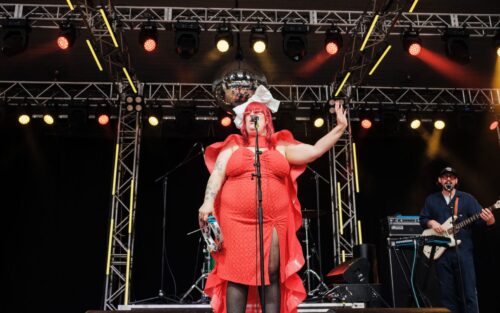
While talking to RANGE after a soundcheck in Dallas, TX, Valley singer Rob Laska jokingly describes the band’s dynamic as a “four-way marriage,” with band therapy being like couples therapy, but for musicians.
Despite the band’s steady ability to release singles and EPs throughout the pandemic, Lost in Translation is their first full-length album since 2019. Part of what took them so long was the difficult decisions they had to make about the band’s direction and future. “We actually came up with the title in band therapy,” says Laska. “So that speaks to the headspace we were in while making the album. It’s about finding our place in the world at 27 [years old] versus 18 or 19, or even 21 or 22. Having been together so long, this album is us figuring out what it means as we mature.”
As a band, Valley is simultaneously nostalgic and futuristic. While fans can expect the singable anthems they know and love, Lost in Translation harks back to their experimental and stream-of-consciousness roots. One track titled “i thought i could fly,” a last-minute inclusion on the album, down-pitches Laska’s traditional vocal key for an uncomfortable effect. “Sometimes you find demos you made and dust them off,” he says of the track. “I pitched it all down because it sounded a lot cooler. It almost felt like a different person singing it, which made it more emotional in a way. That’s a very special song. A sad song.”
Another new stylistic move on the album is the alt-reggae track “We Don’t Need Malibu,” which bassist Alex Dimauro refers to as a “staycation song” about a love that doesn’t need to go anywhere special to be special. Think “Banana Pancakes,” but with a contemporary twist. These two songs were buzzer-beaters on the album tracklist, but they both elevate the alternative vibe of the project and show that Valley is willing to grow together and in new directions.
Writing a radio-friendly pop album is a process for Valley, and while they might not need Malibu to keep up a happy relationship, the success of the band’s creative dynamic often involves a new destination and some relaxing rituals. To finish the album, Valley rented a 1960s retro A-frame in Beachwood Canyon, where Laska notes that they would write two to three songs per day. “It was chaos,” he says, “But also the ultimate environment. We are destination writers. On top of that, for about half of the songs on the album we’d dive into some edibles. We like to feel good and get a little silly. A little bit of psilocybin—it’s all good.”
These rituals assist in the ever-important element of all successful relationships: communication. Guitarist Mickey Brandolino notes that it is important to “create a space where everyone can share their ideas and everyone can be okay with their ideas being shot down. It helps to have no ego in the room.”
– The article was originally published in July 2023 –