
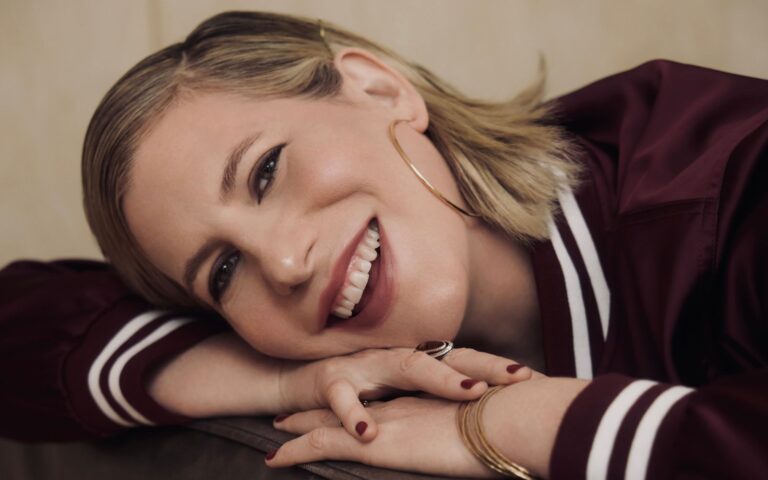
Featuring a shimmering and contemplative atmosphere centred around a touching piano loop and the cello notes listeners have come to expect, the track speaks about stepping back, listening and reflecting so that honesty can shine through. As Foon wanted to take things in more of a dream-pop direction for her upcoming album cycle, a hard-hitting drum machine beat ties it all together, locking the track into an entrancing groove.
We caught up with Foon below to talk about her dream pop ambitions, the meaning of quiet resilience, and what’s behind the video’s distortions and reflections.
We understand you do a lot of bouncing around between Montreal and NYC, so first off – where are you? And what did you get up to today?
Right now, I’m in NYC. I started the morning with some yoga, then reading Suleika Jaouad’s Between Two Kingdoms — a book that’s been moving me deeply. After that, I spent a few hours practicing cello and sketching ideas for some new songs. New York always feels like a spark — there’s this energy in the air that fuels my creative process, which I am grateful for.
Congratulations on the upcoming release of your album! “In a Time of Truth” feels both deeply intimate and universally resonant. What was the initial spark or inspiration for this song?
Thank you. This song came from a place of wanting to hold space for honesty — both the kind that’s personal and the kind we need collectively. It began as a simple melody on the cello that felt like it was asking a question. From there, the lyrics emerged as a meditation on what it means to move through uncertainty — especially in this time of climate crisis and global conflict — with open eyes and an open heart.
The refrain “If we listen” feels like the emotional anchor of the track. What does that phrase mean to you in the context of today’s world?
To me, “If we listen” is an invitation — to slow down, to truly hear ourselves, each other, and the world around us. We live in such a loud, reactive time, one defined by climate instability and deep divisions. Listening feels like an act of care and resistance. It’s about tuning into the quiet truths that are often drowned out by the noise, and letting those truths guide us forward.
The video’s use of a moving mirror as a central motif is striking. How did that idea emerge, and what does it symbolize for you?
The video was a beautiful collaboration with director Kaveh Nabatian. We wanted a visual element that could play with reflection, distortion, and shifting perspective — the way truth can look different depending on where you stand. The moving mirror felt alive, like another performer in the space, revealing and concealing in equal measure.
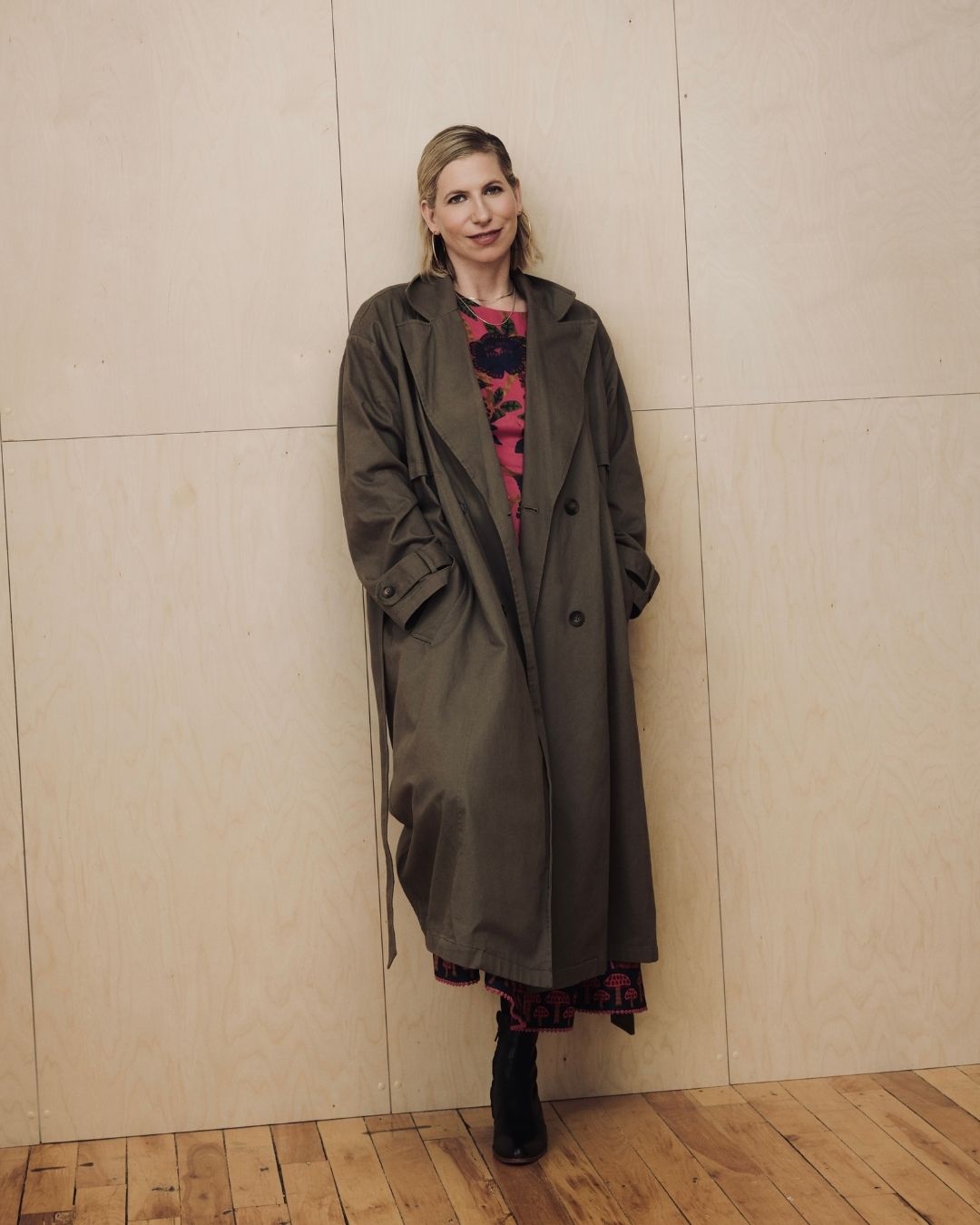
You’ve described the album as your most dream pop–infused work to date. What drew you toward that sound palette for this project?
I wanted this album to feel like it was floating between worlds — grounded in the textures of cello, piano, voice, and minimalist beats, but wrapped in an atmosphere that felt luminous and immersive. Dream pop allowed me to explore softness and expansiveness at the same time, creating a space where the songs could breathe and where I could tap into lyrical themes that have been on my mind around the current state of our world and personal things I have gone through over the last few years like my mom dying of cancer. “Departure” is dedicated to her.
You recorded Black Butterflies in your barn in the Laurentians. How did that setting shape the sound and feeling of the album?
The barn is surrounded by forest, so the natural world seeped into every note — the stillness, the spaciousness, even the sound of the wind in the trees and beautiful birds. It’s a place where time slows down, and that spaciousness became part of the music.
This record features contributions from your sister Aliayta and longtime collaborators like Jace Lasek and Patrick Watson. How did those relationships influence the creative process?
Working with people I love and trust creates this deep sense of safety and openness. Aliayta’s violin is like an extension of my own voice, as I feel so, so connected to her.- Jace brings such a cinematic ear to production, and Patrick has this ability to elevate a song into something magical. Their presence shaped the album in ways I couldn’t have imagined on my own.
You’ve said the album is about “quiet resilience.” What does that phrase mean to you on a personal level?
Quiet resilience is the strength that doesn’t need to shout. It’s the ability to keep going, to keep creating, even when the world feels heavy. It’s rooted in care, in connection, and in the small acts of hope that accumulate over time — especially vital when we’re living through environmental upheaval and social unrest.
Anything else you’d like us to know about you or your upcoming album before we sign off?
Just that this album is an offering from the heart. It’s a love letter to the quiet moments, to our deep connections, and the courage it takes to face ourselves and each other with honesty — even, and perhaps especially, in a time of climate uncertainty and conflict. I’m so grateful for anyone who takes the time to listen.
Rebecca Foon’s new album Black Butterflies is out October 24, 2025.